
After everything that happened after Cyprus, our memories of the country itself are unfortunately a bit hazy. We rented a car to make the most of it, covering Limassol, Paphos, and Larnaca in our loop.
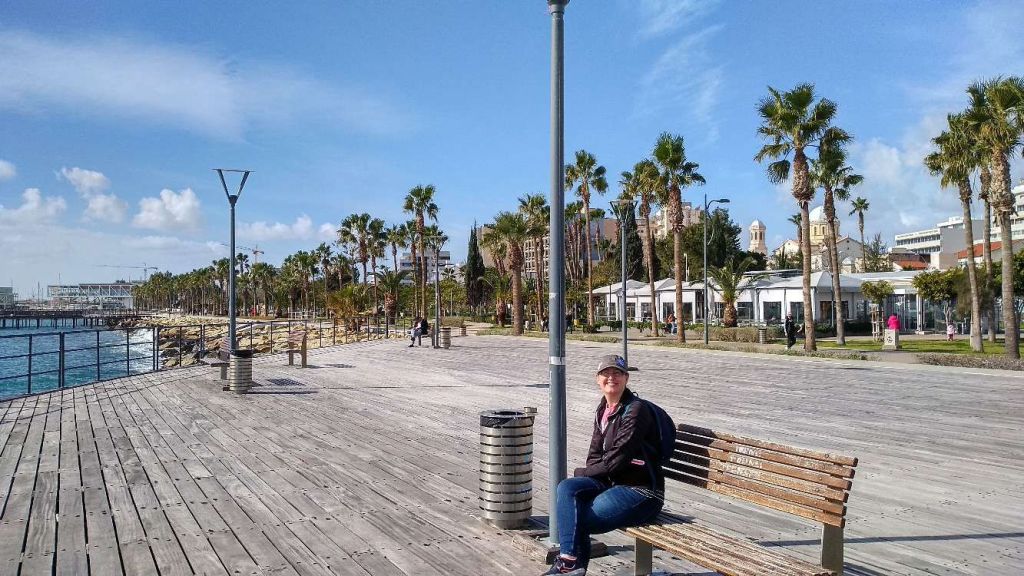
Limassol and Larnaca felt, oddly, like miniature versions of England. Almost everyone we saw seemed to be English, slathered in layers of orange fake tan and deeply committed to their (awful) appearance. The towns themselves were pleasant enough, but they didn’t leave a huge impression—more of a “nice to have seen it” rather than a “must go back.” Getting haircuts there was also a mistake, as we were given the styles that were obviously in vogue. Picture long wavy locks for Sam, intricately arranged, whilst Will’s was styled to resemble a tower rather than hair. The conversation also felt like it was sapping out intelligence. No, I don’t know about Gucci’s latest handbag. No, I haven’t heard about so and so’s new fashion line. No, I don’t have a “favourite celebrity.” Yes, I’m serious. No, I don’t watch big brother……
Fortunately, the second we stepped outside, the wind put our hair back to its original style. Might as well have just thrown our money in the sea!


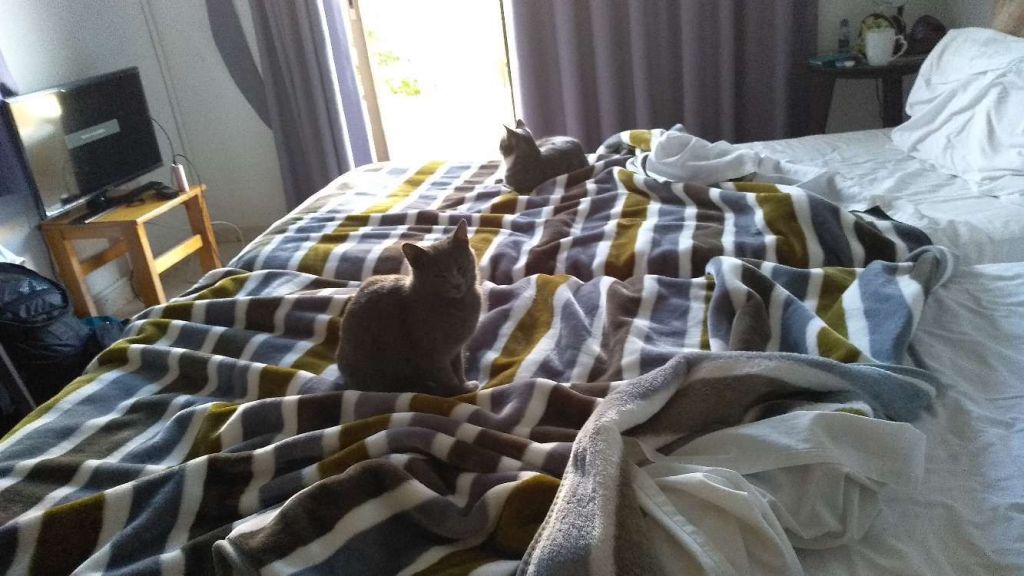
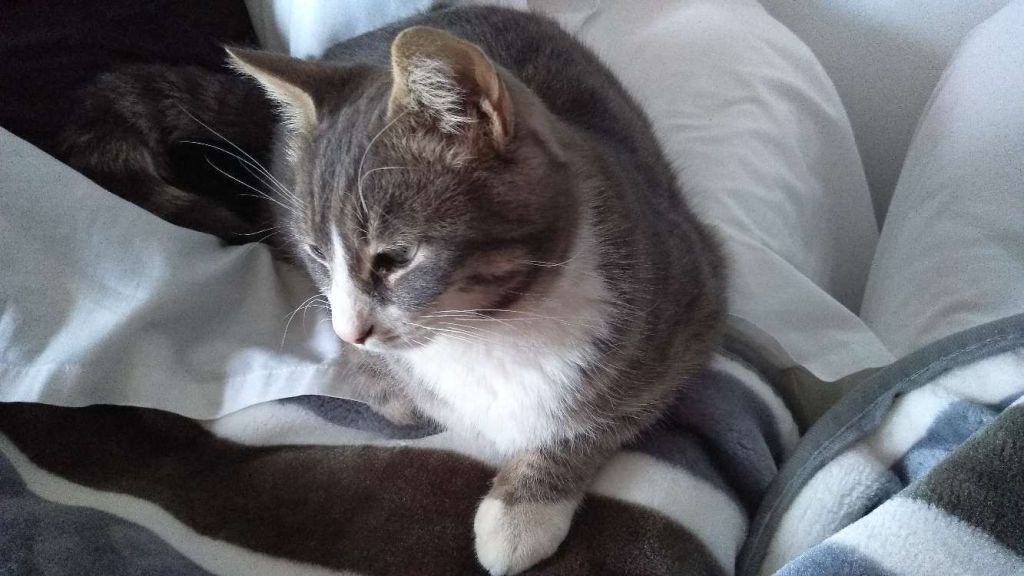
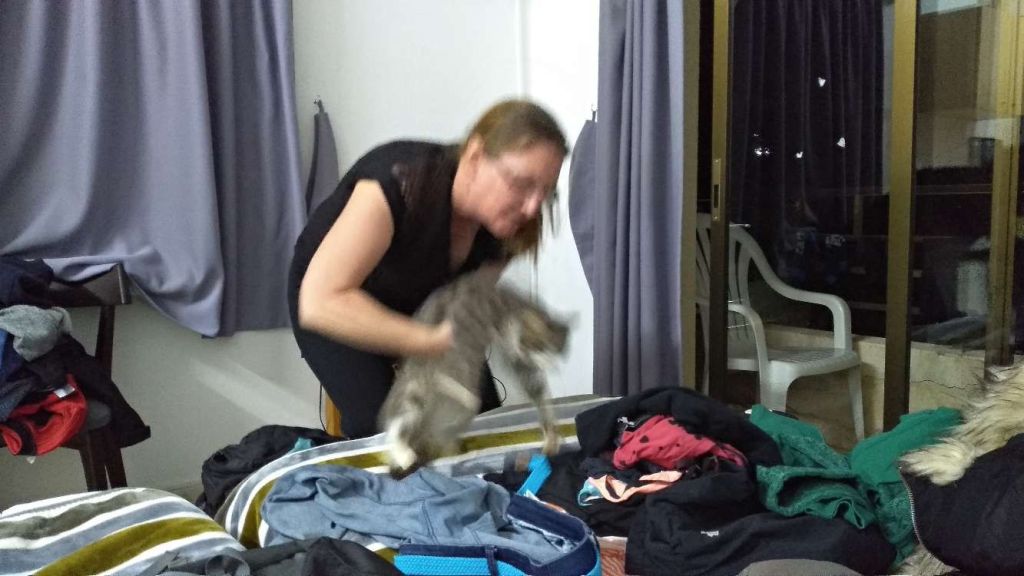
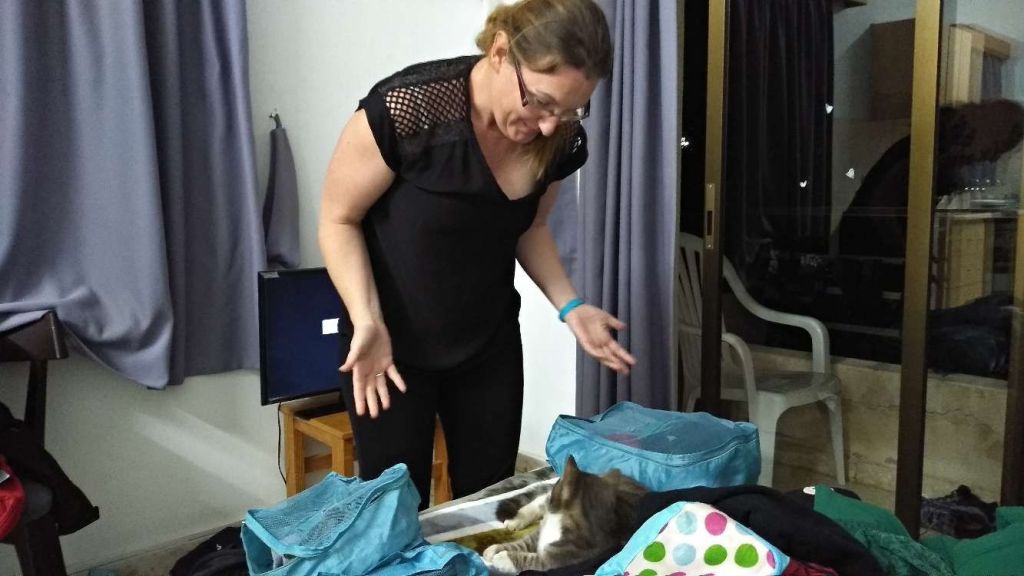
Paphos, on the other hand, stood out a little more. For starters, our hotel came with a surprise feature: cats. They snuck into our room, made themselves comfortable, and ended up sleeping on our bed overnight. It was actually lovely—we hadn’t had the company of cats in years. The only downside came when it was time to pack. The cats decided to “help” by sitting directly on our clothes and getting mildly offended when asked to move.

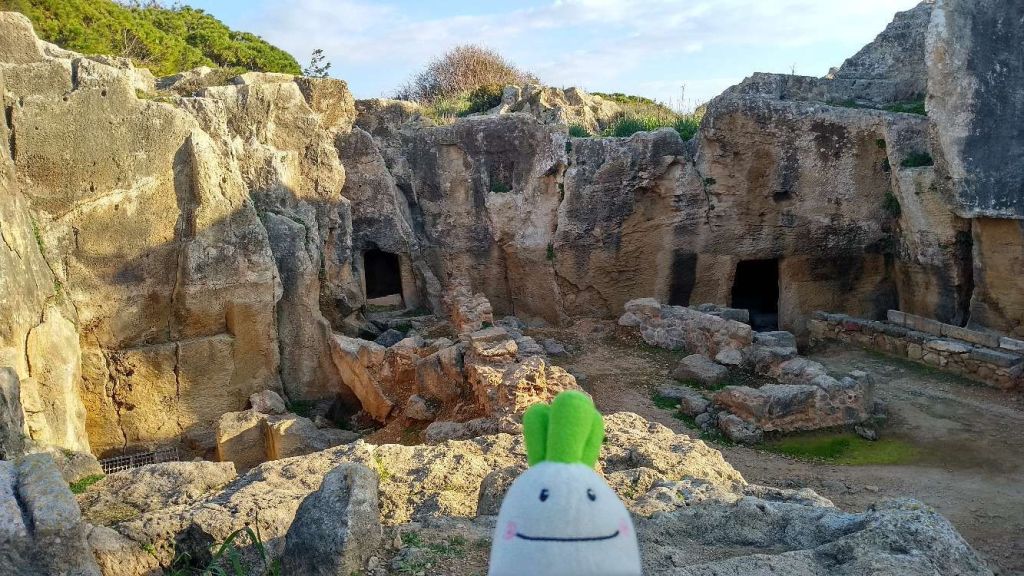
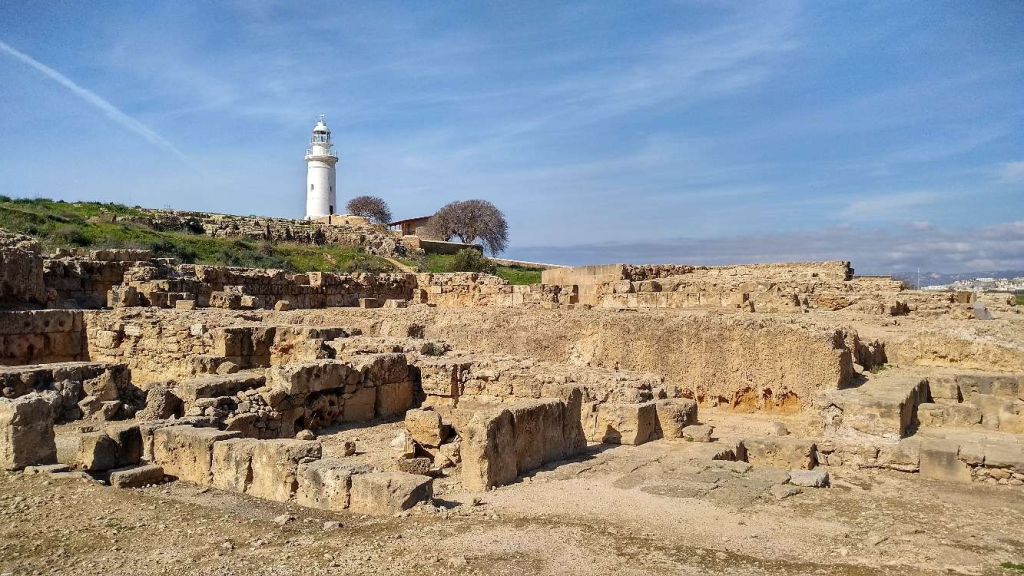
We also visited two brilliant archaeological sites in Paphos: the Tombs of the Kings and the Nea Paphos Archaeological Park.
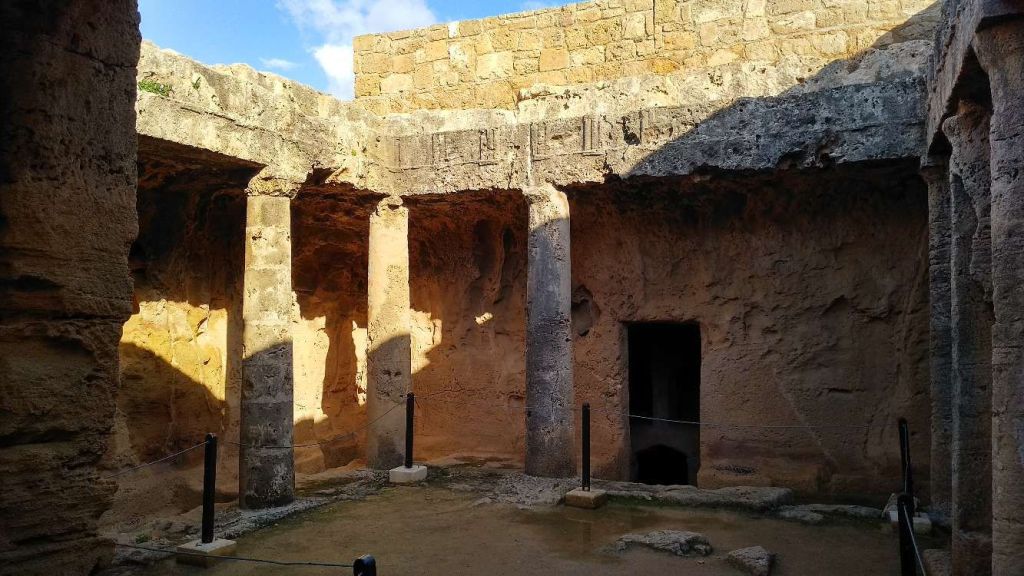
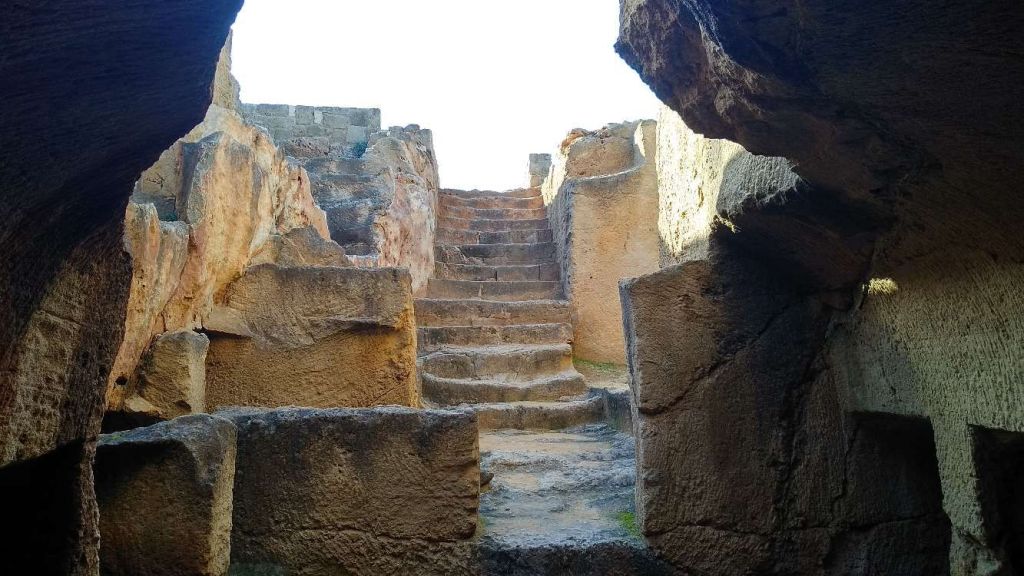
Despite the grand name, the Tombs of the Kings aren’t actually tombs of kings—just high-ranking officials and aristocrats from the Hellenistic and Roman periods. But we’ll forgive the misnomer, because the site itself was absolutely worth a visit. It’s a sprawling necropolis, with tombs carved directly into the rock, many of them resembling underground houses complete with columns and open courtyards. It felt both eerie and awe-inspiring to descend into these ancient, silent spaces. Some rooms had multiple burial niches, giving the distinct impression that we weren’t entirely alone.

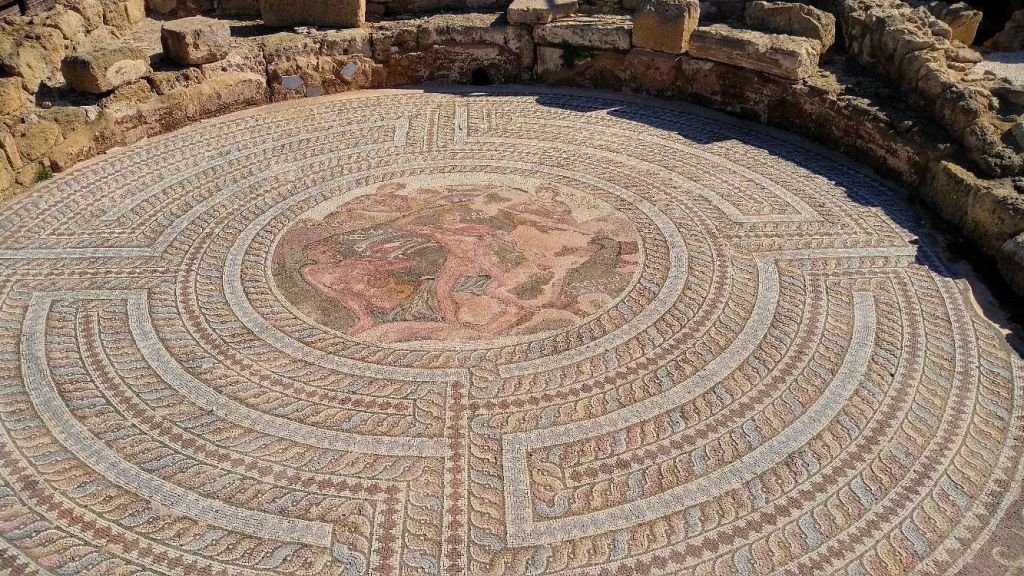
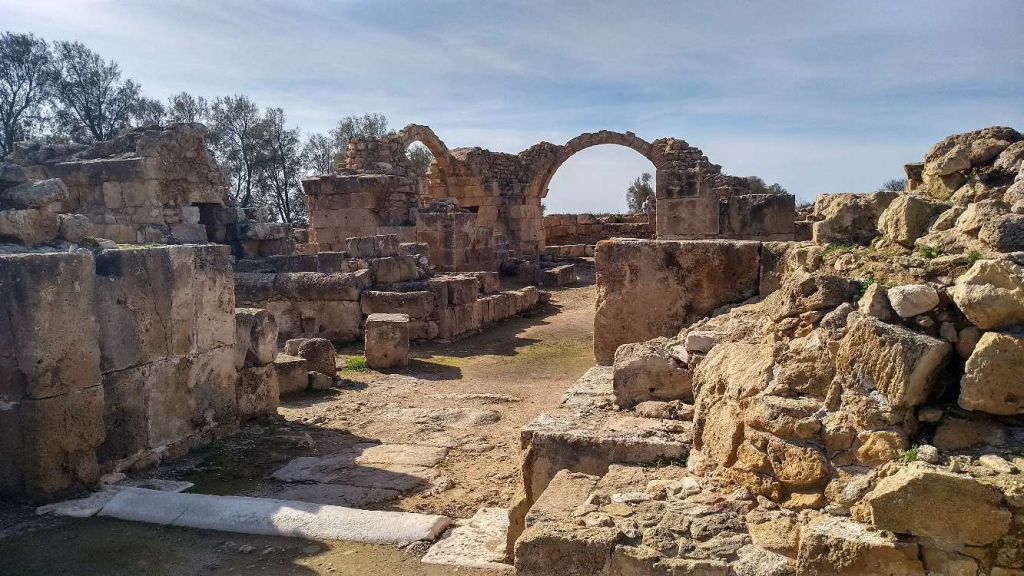
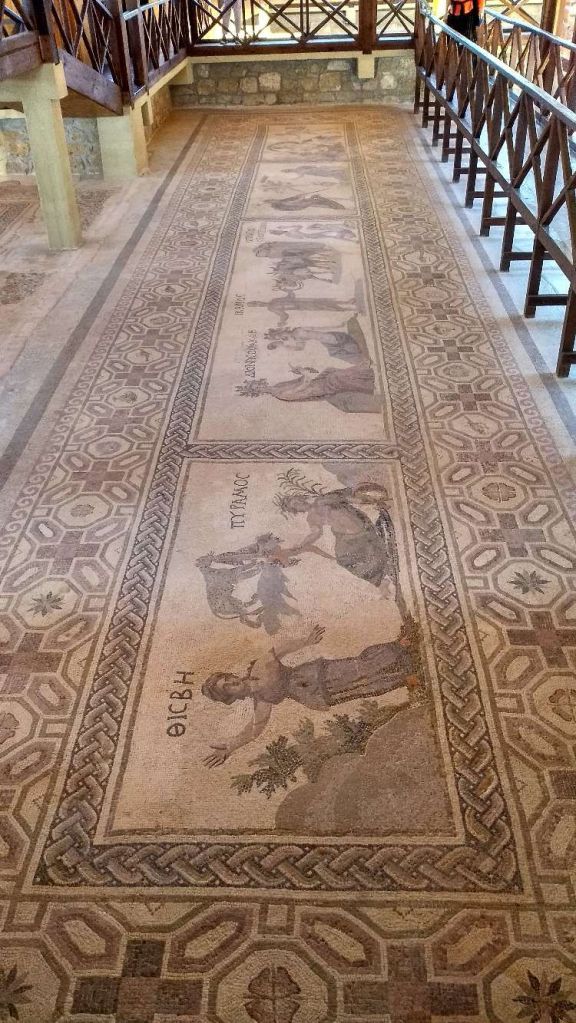
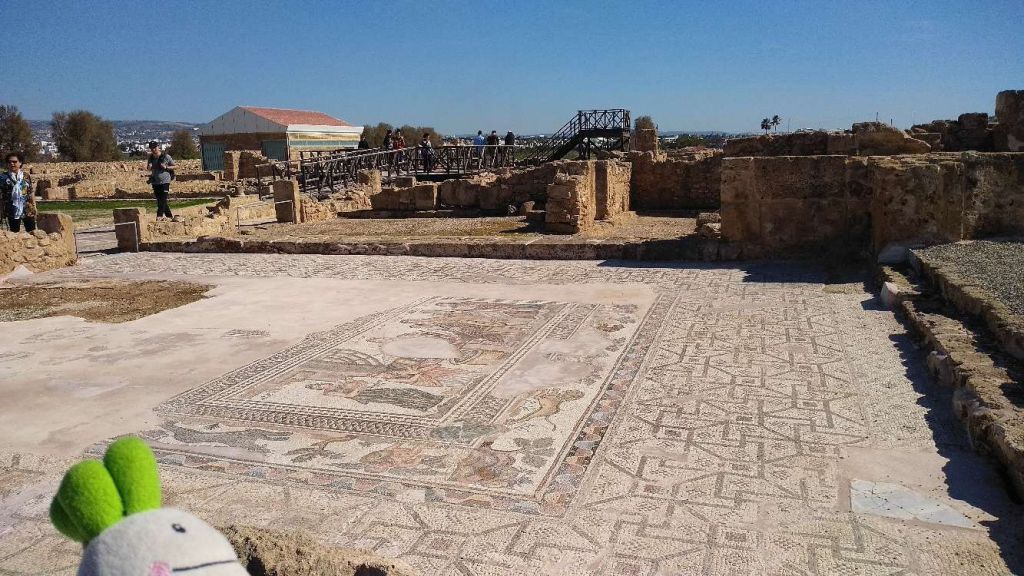
The Nea Paphos Archaeological Site was completely up our alley. The main draw here was the astonishing collection of Roman mosaics, still brilliantly intact despite their age. We spent hours there, wandering between ruined villas and admiring the artistry underfoot—scenes from mythology laid out in tiny tiles, telling stories that had survived thousands of years. The House of Dionysos and House of Theseus were particular highlights, showcasing just how luxurious ancient life could be—if you were loaded, of course.
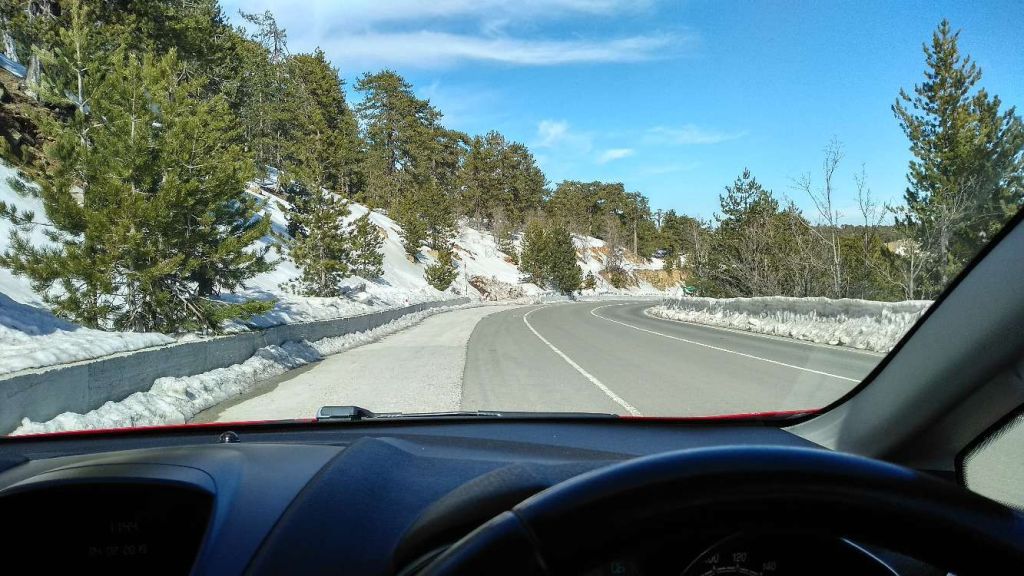
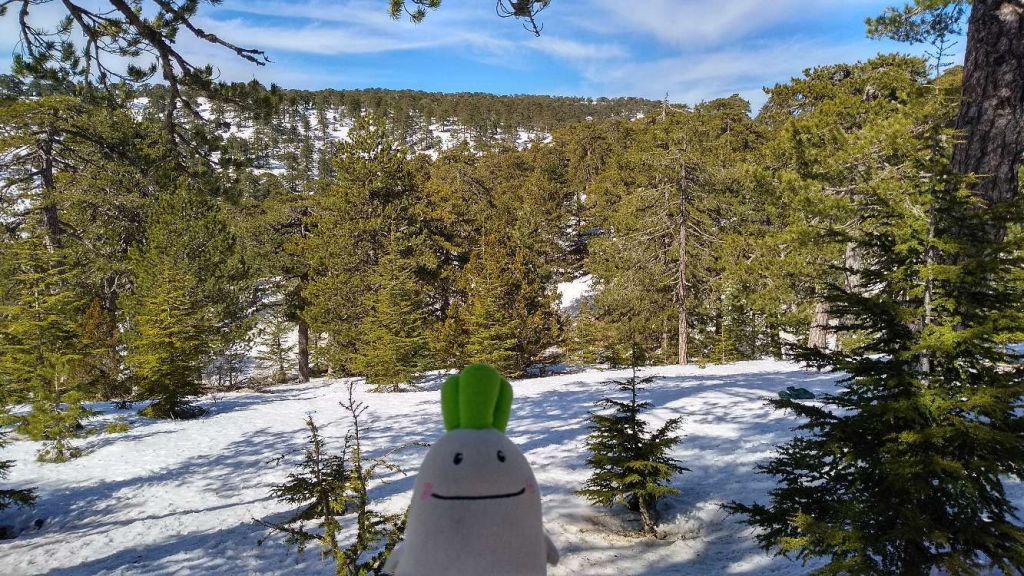
From Paphos, we drove into the Troodos Mountains, winding our way up narrow roads with spectacular views over the island and a surprise encounter with snow—because nothing says Mediterranean island like wondering if we were going to need snow chains. It made for a beautiful contrast to the coastlines we’d left behind.
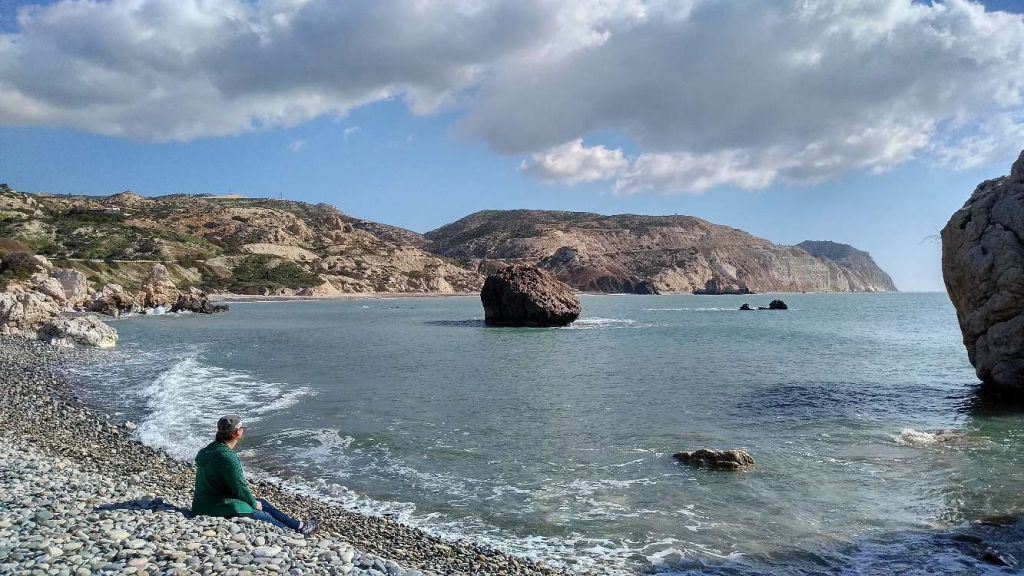
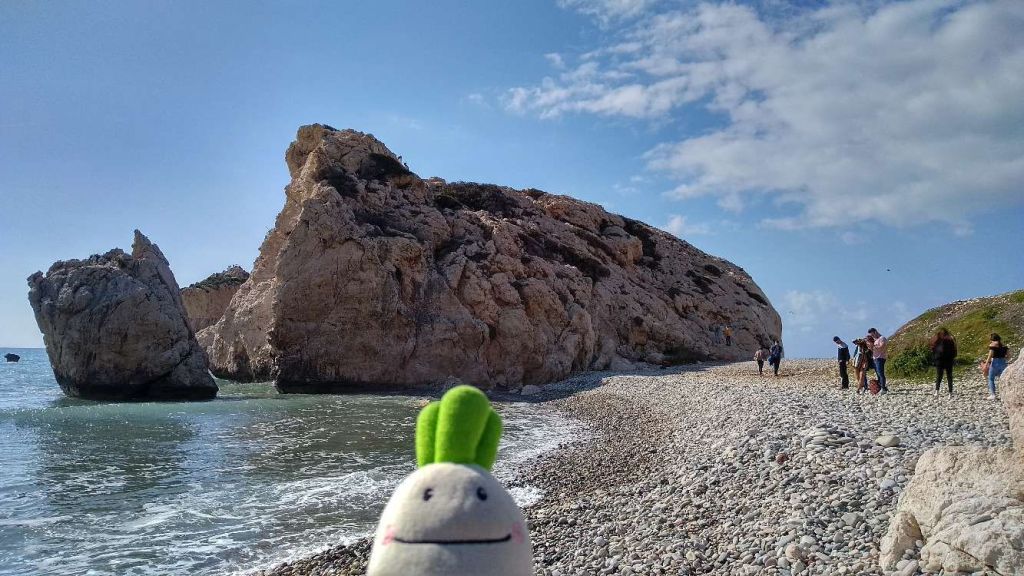
On the way, we passed Petra tou Romiou, better known as Aphrodite’s Rock—the legendary birthplace of the goddess herself. According to myth, Cronus cut off the genitals of his father Uranus and flung them into the sea. From the foamy sea spray (a euphemism if there ever was one), Aphrodite emerged, fully grown and fabulous. A bit gruesome, a bit magical. The site is undeniably striking: waves crash against the rocks where mythology meets geology, and you can easily see how ancient people might have been inspired to believe that gods were born there.


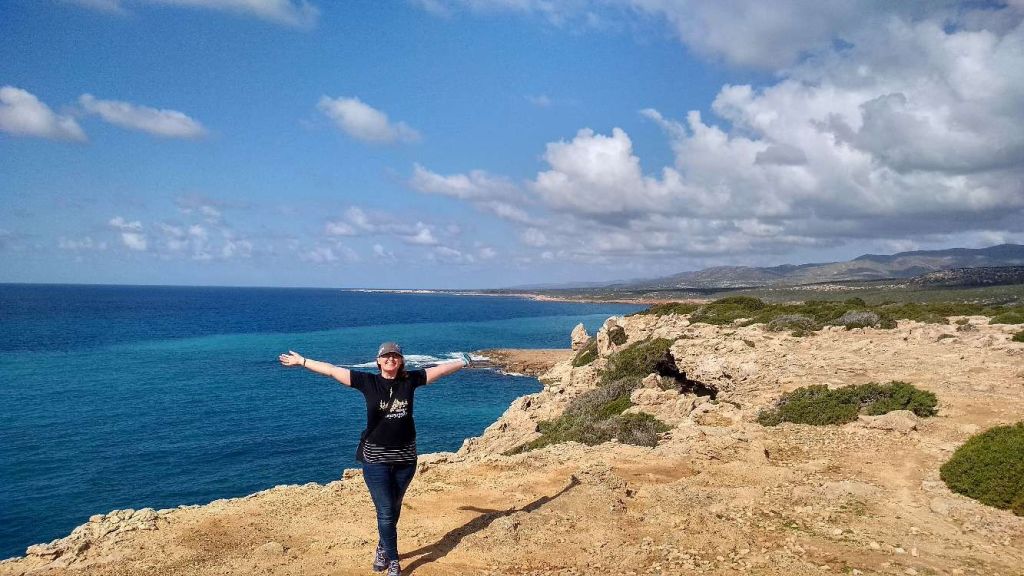
On our final day in Cyprus, just before flying to Heraklion to continue our Greek adventures, things began to go a bit pear-shaped.
But we’ll save that story for next time.
 2 Travelling Kiwis
Leave a comment