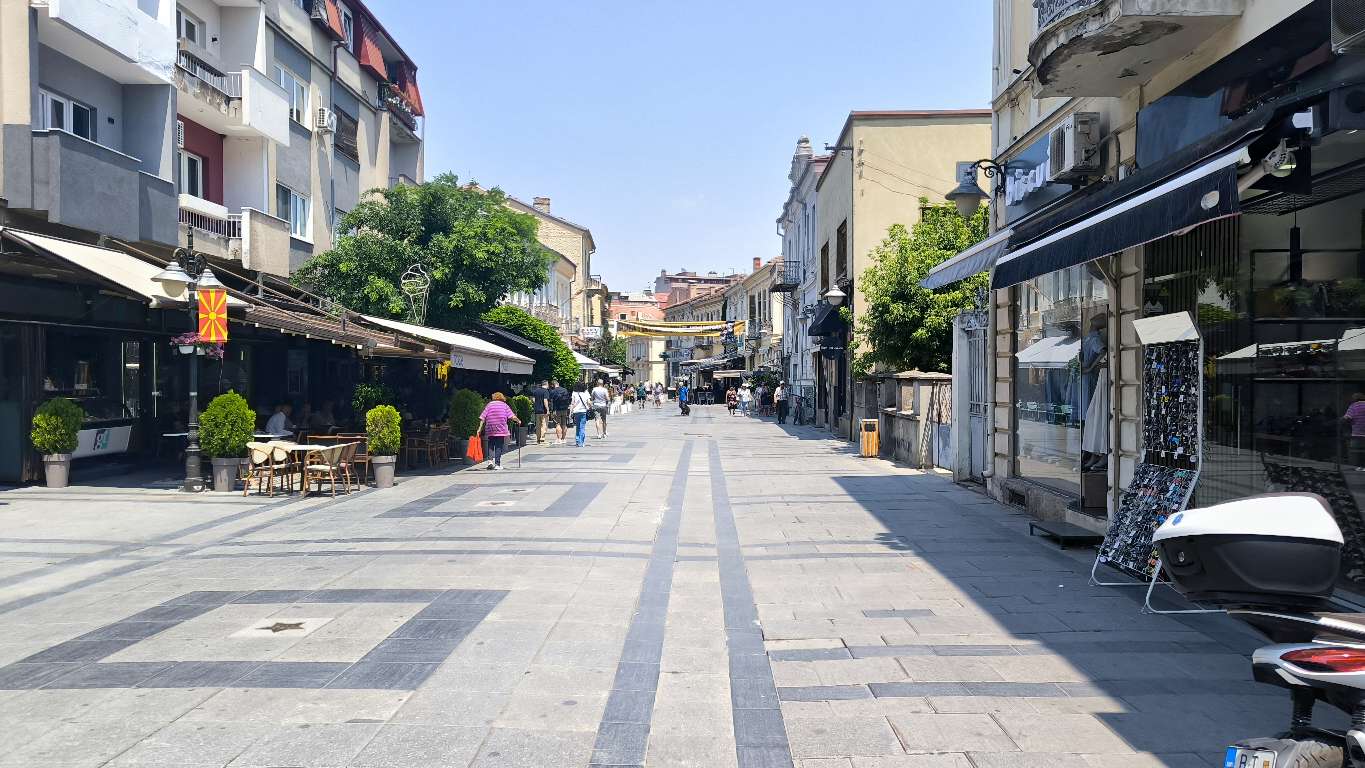
Our lasting impression of Bitola? LOUD. Like, really loud. Sure, our apartment’s prime location next to a construction site didn’t help, but even without that, this city seemed determined to make its presence heard. Cafés blasted music at nightclub volumes, every second vehicle was a motorbike or ATV at max RPM, and we’re fairly certain every truck in Europe passed through town during our stay. Bitola may be small, but it doesn’t do quiet.
That said, the noise didn’t drown out its charm. Bitola, with a population somewhere between 40,000 and 70,000 depending on which source or friendly local you ask (or possibly just how loudly they shout it), is compact, walkable, and surprisingly full of character.
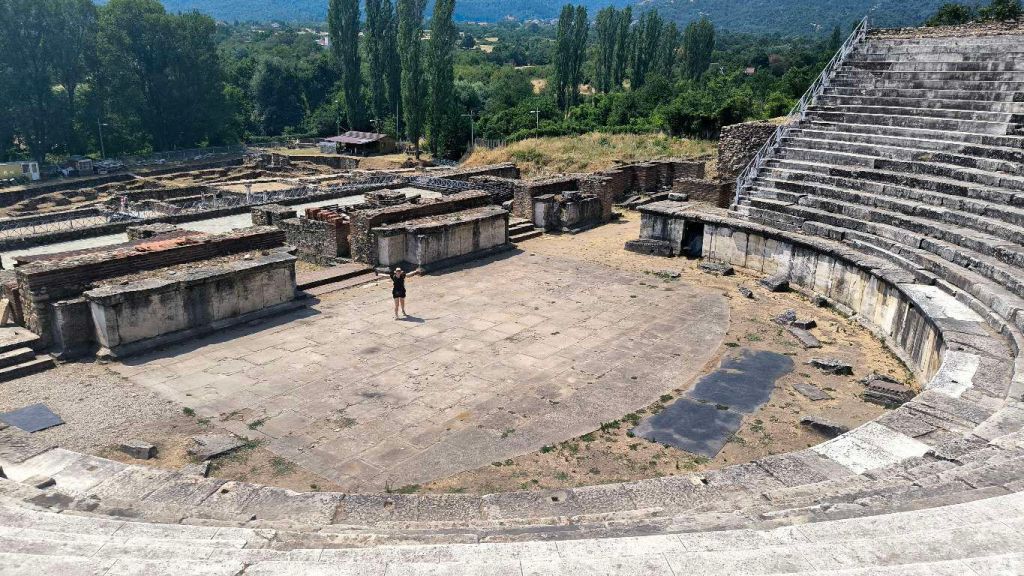
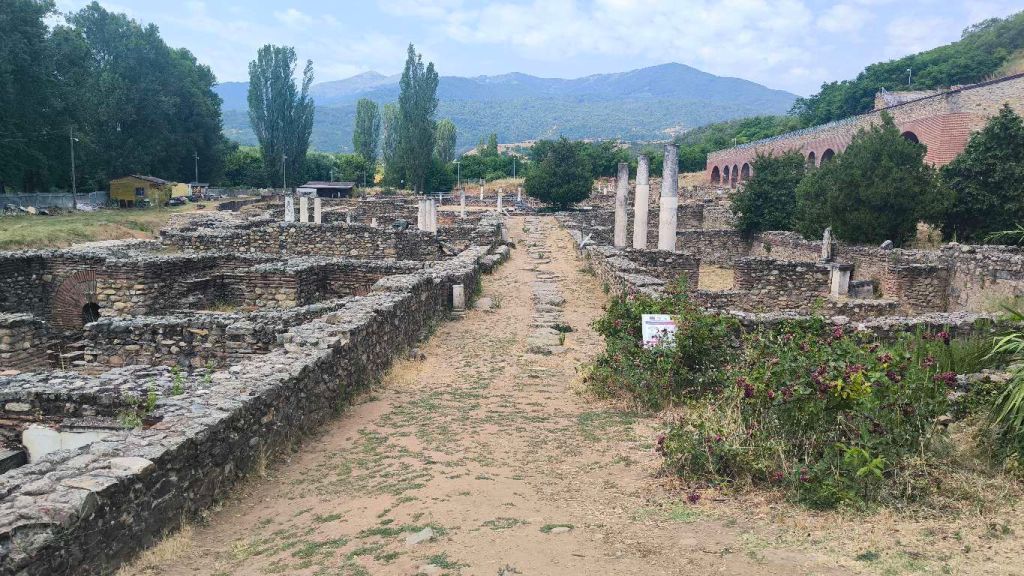
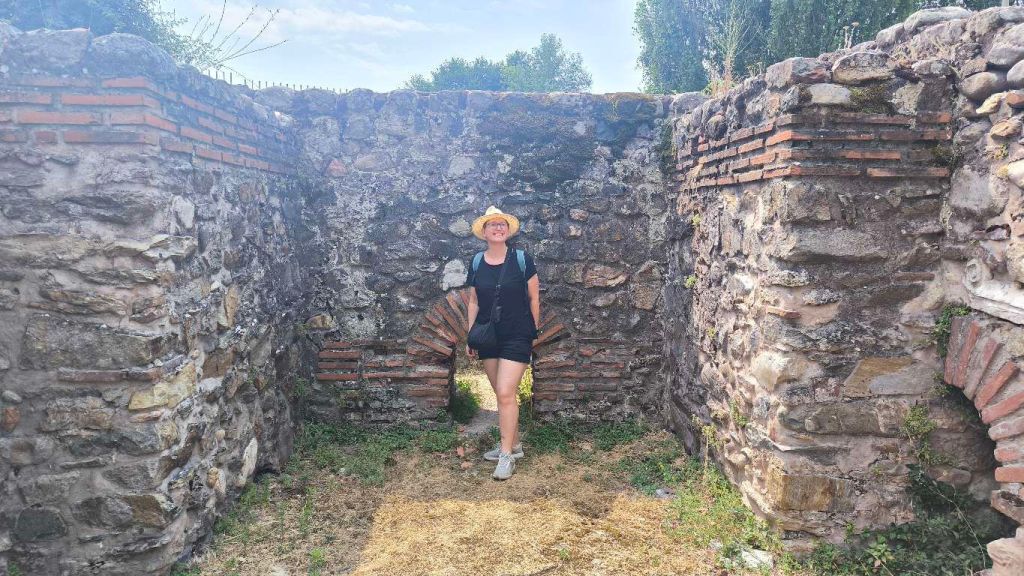
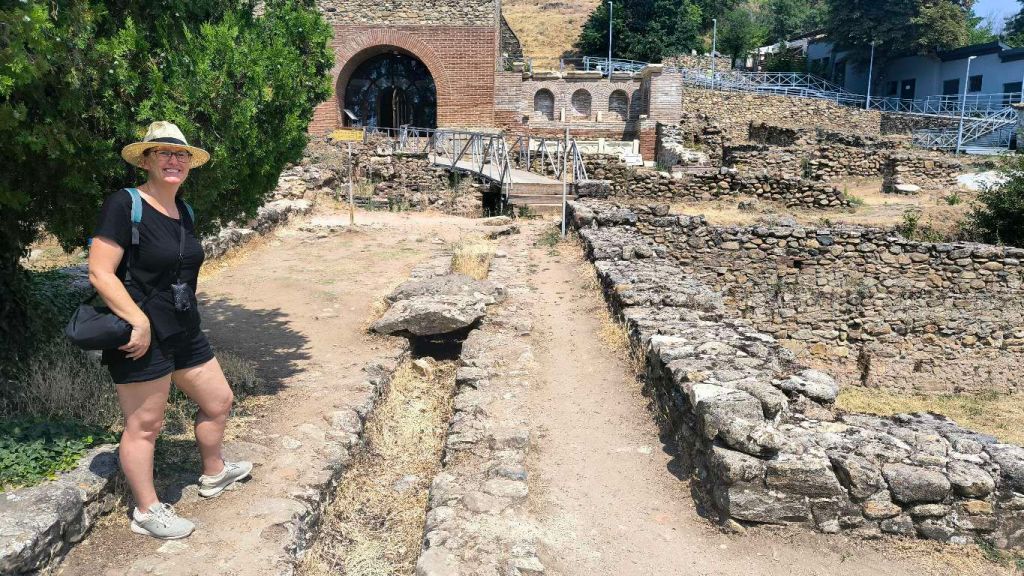
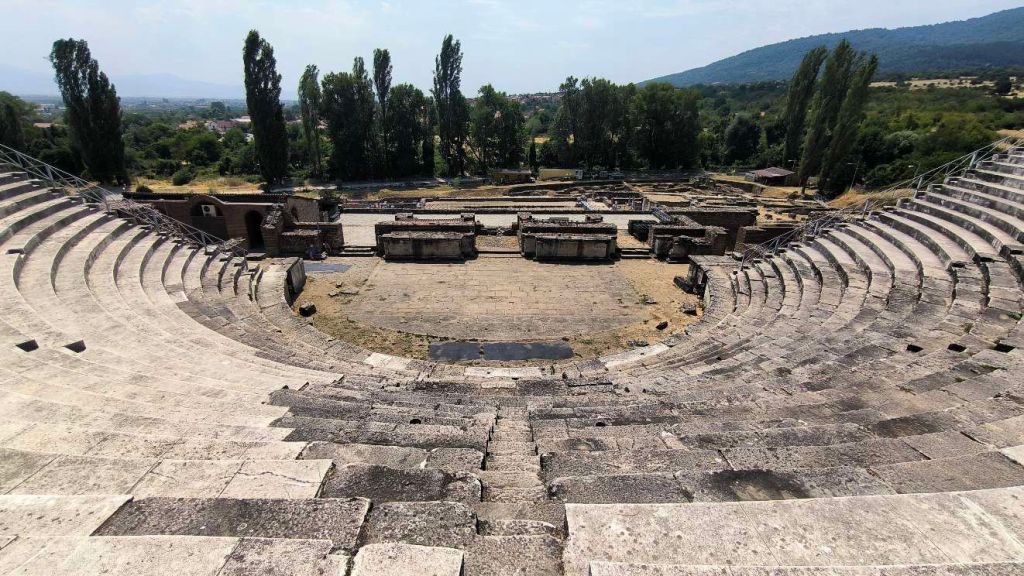
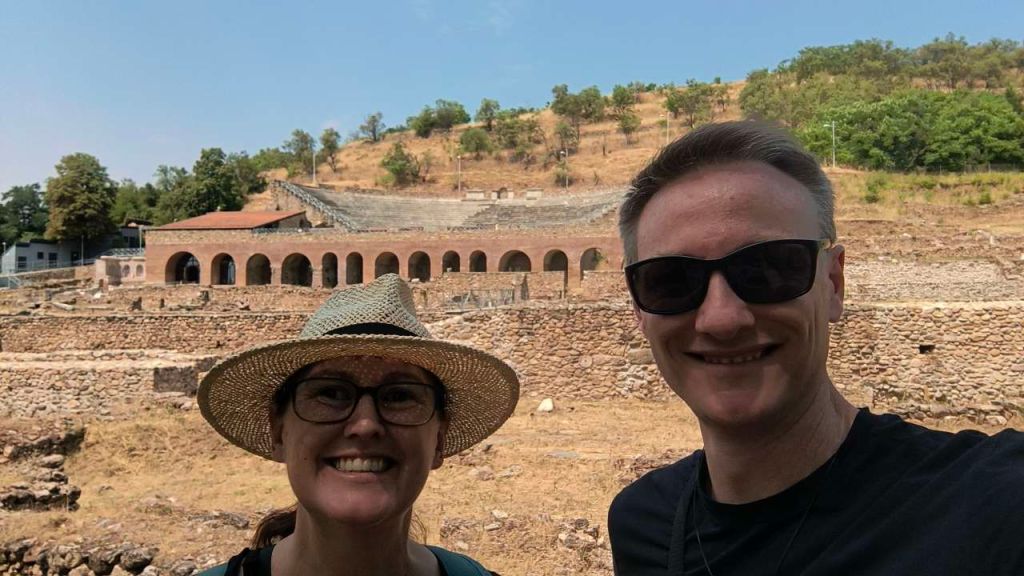
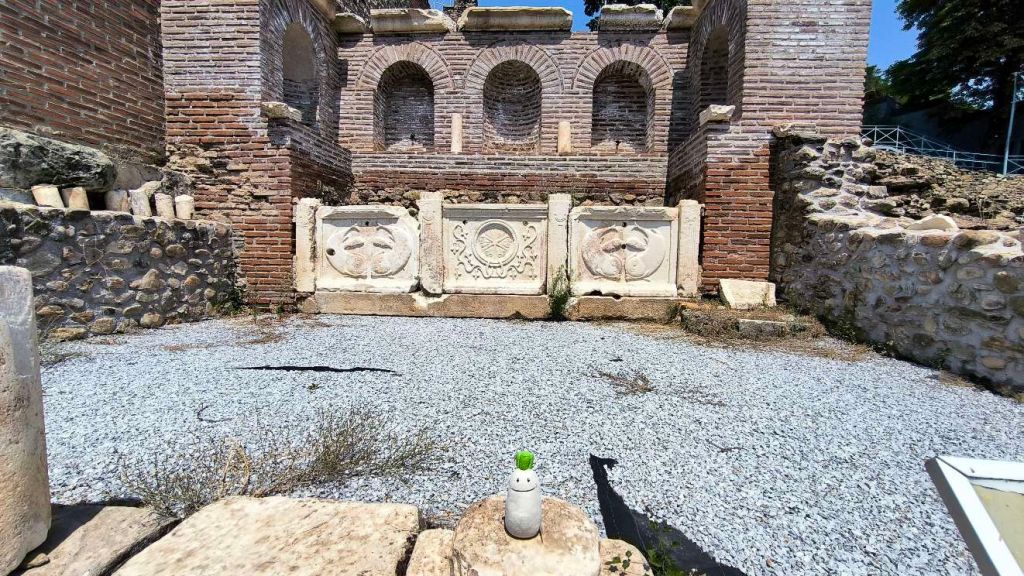
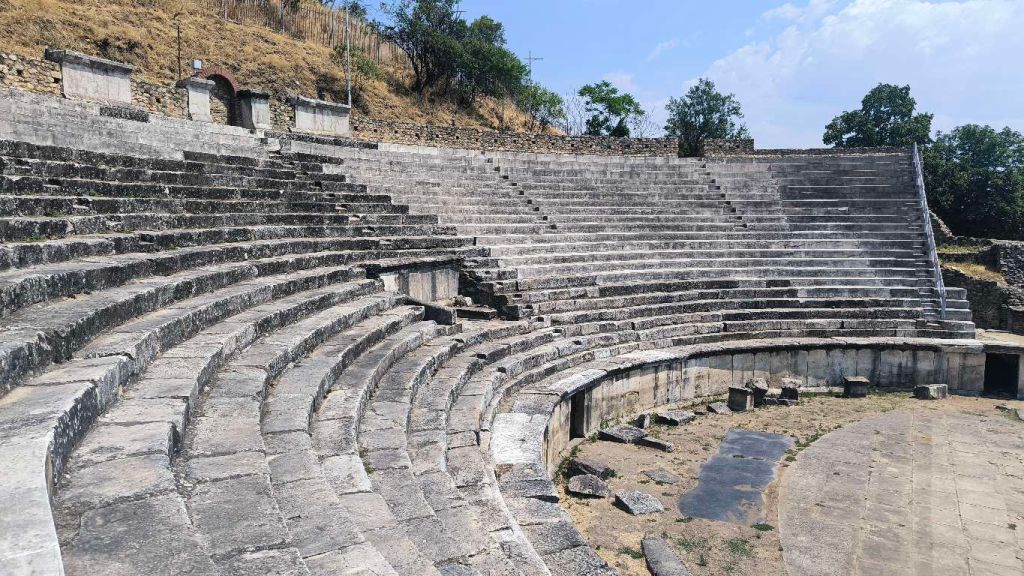
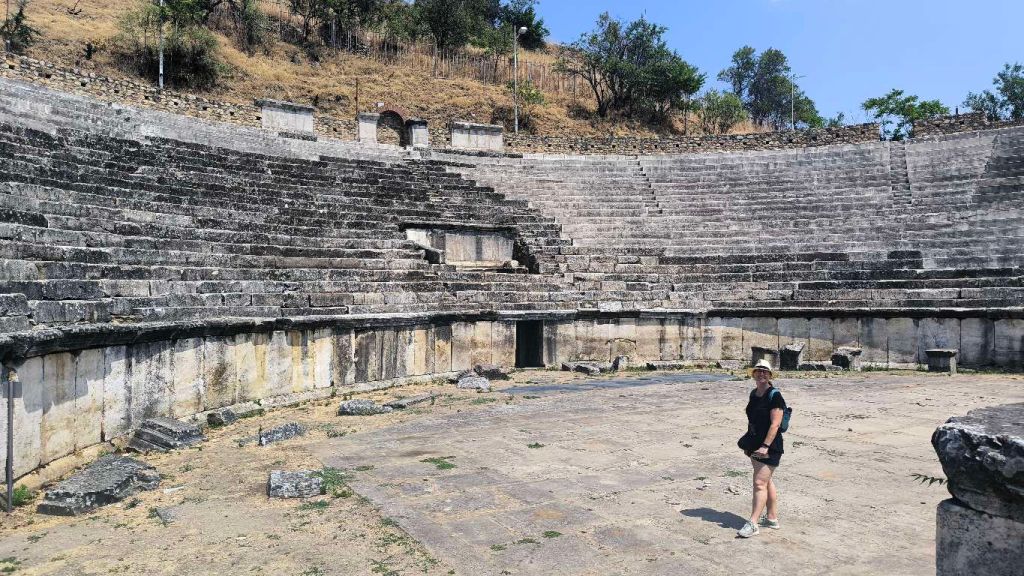
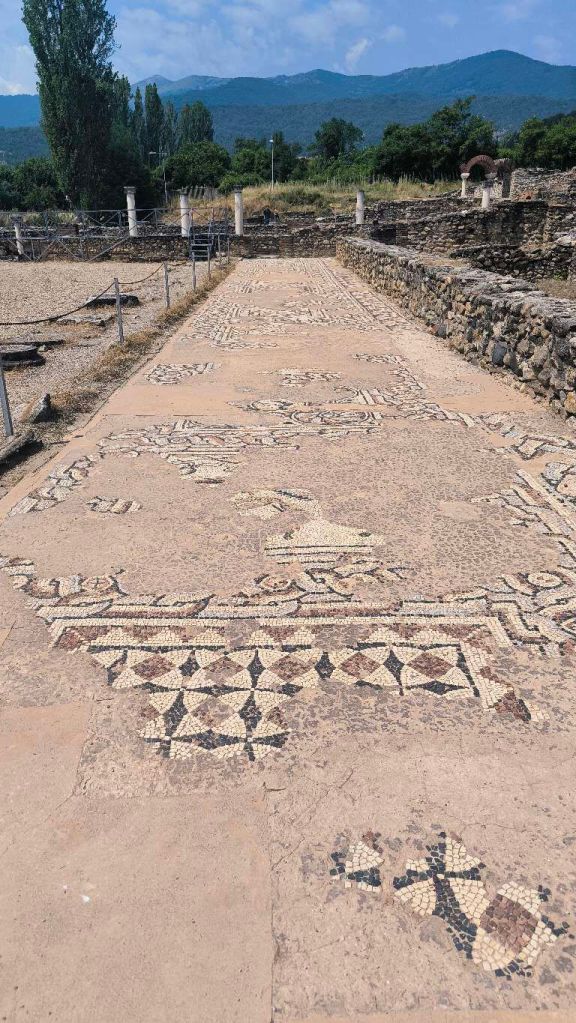
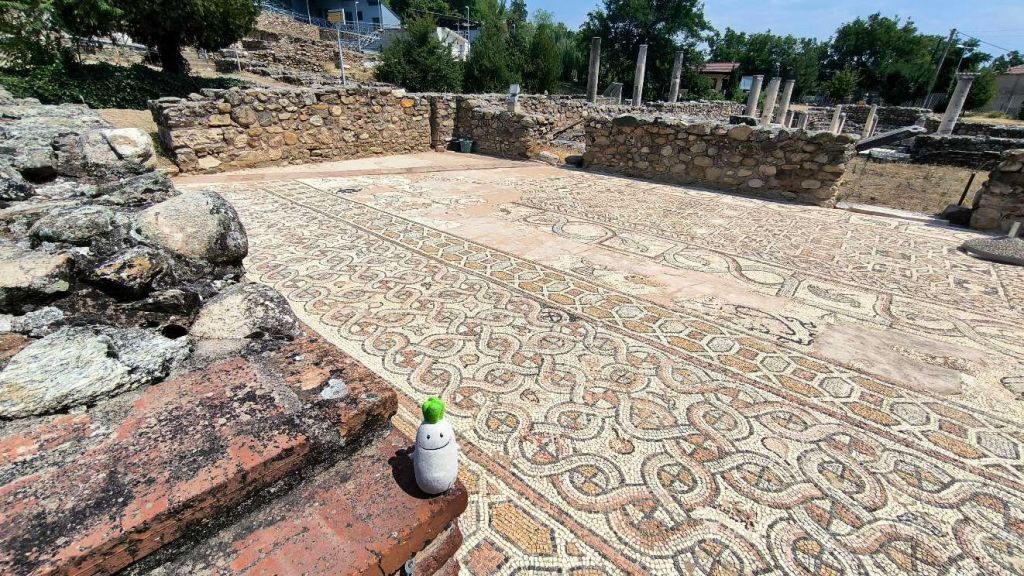
The crown jewel of sightseeing here is Heraclea Lyncestis, an ancient Roman city dating back to the 4th century BC. The site features well-preserved ruins of baths, fountains, residential homes, and an amphitheatre with stunning mosaic floors—and, naturally, one very vocal and affectionate kitten that insisted on joining us. Yes, even the cats in Bitola are loud.




The city is easily explored on foot. The main pedestrian street, Širok Sokak, is lined with cafés, restaurants, bars, and boutique shops, all housed in beautifully preserved buildings. It’s the kind of street designed for coffee-fueled people-watching—and we did plenty of that. The architectural styles are an eclectic mix, much like the locals, and it’s a great spot to sit back with a Turkish coffee (or a cheeky beer) and recharge.

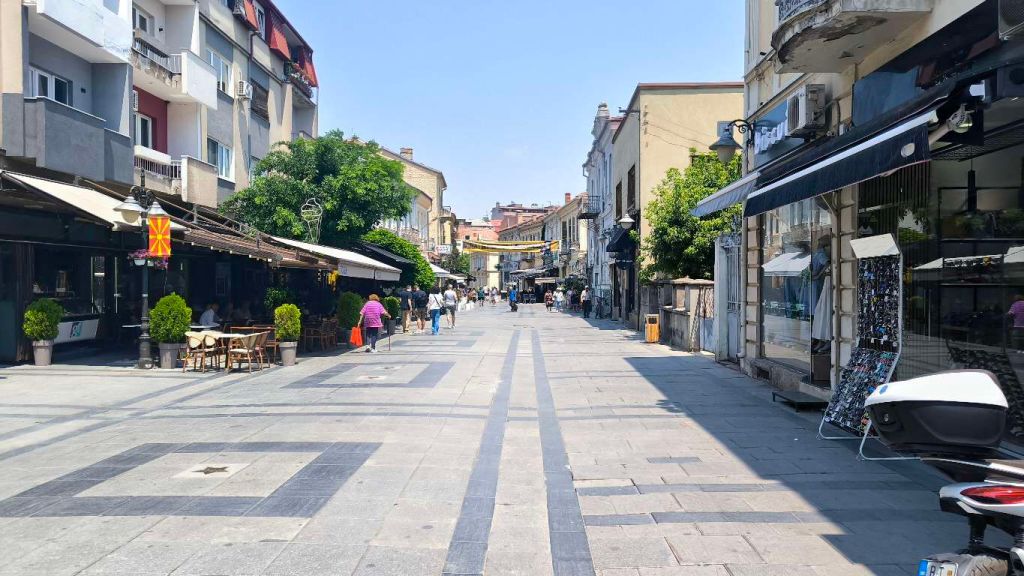

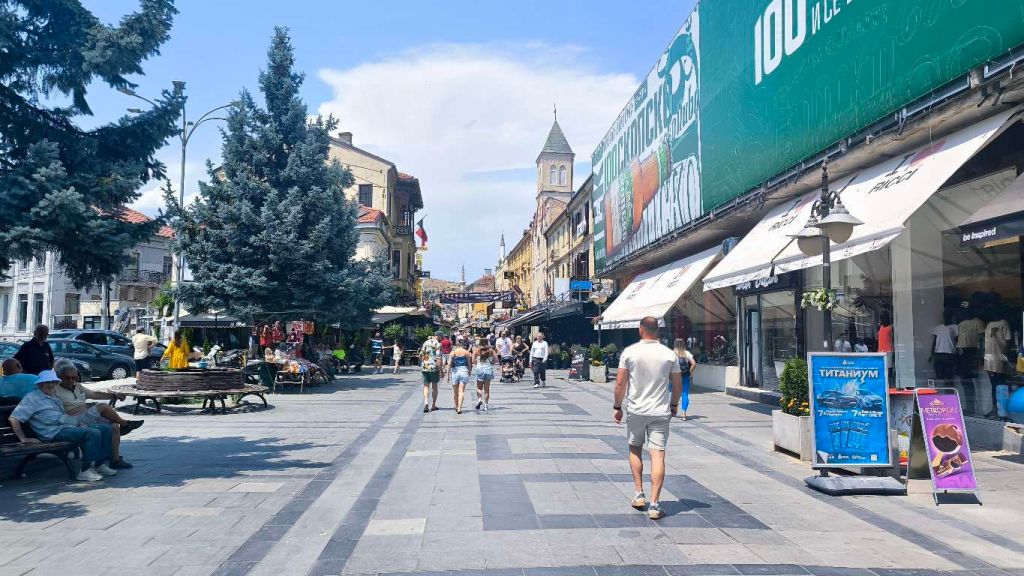


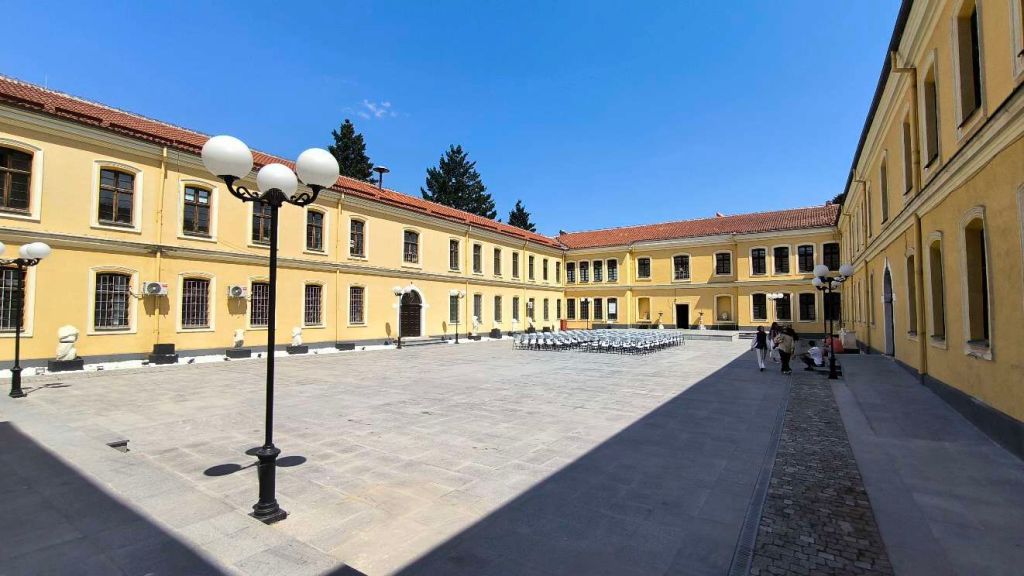
At one end of Širok Sokak is the clocktower, the Yeni Mosque, and a small city park. At the other end is a grand and striking building that we were told was once the Military School, where several famous historical figures studied. Note to self: look up who they were. The building now houses the NI Institute and Museum—which is, let’s just say, an experience.
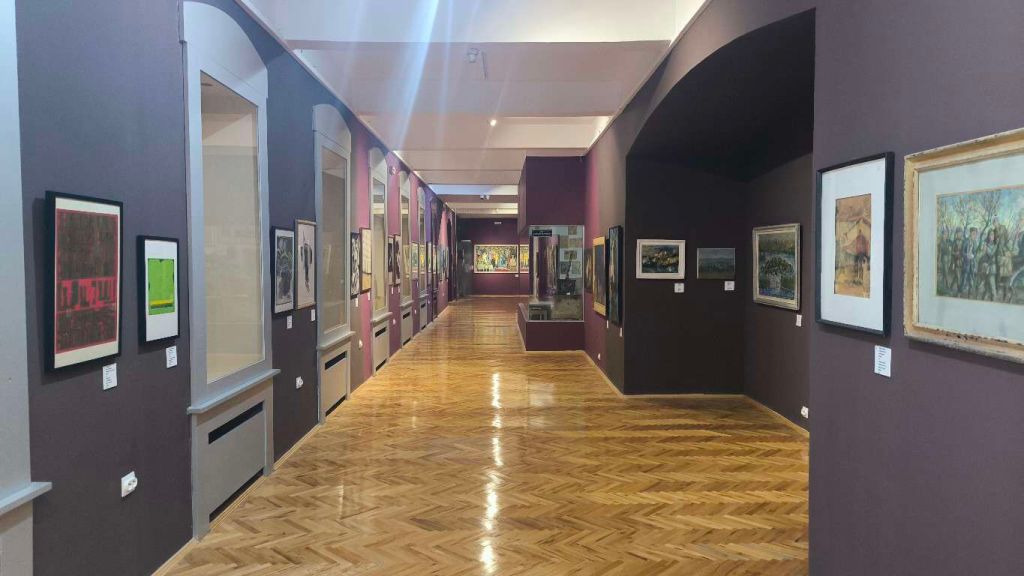
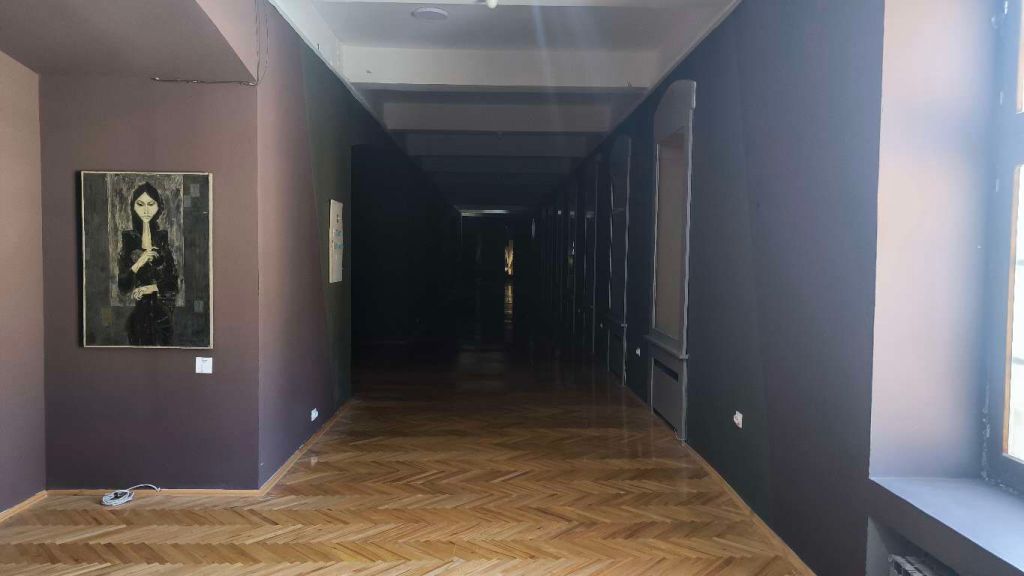
The museum is a real paradox: a majestic, imposing building filled with… utter chaos. One exhibit appeared to be dedicated to an important Turkish figure, but not once in all the signage did it actually say who he was or why he mattered. The Macedonian history section was more of a rummage sale: a few guns, some clothes, and a bit of furniture arranged in no particular order. There were also pitch-black hallways, oddly unsettling paintings, and inexplicably loud, random music playing from nowhere and everywhere at once. Hands down the weirdest museum we’ve ever seen—and we’ve seen a few.
Outside of sightseeing, we wandered through backstreets that revealed a surprising number of abandoned buildings. It gave parts of the city an eerie, almost post-apocalyptic charm—not something we expected, but interesting nonetheless.

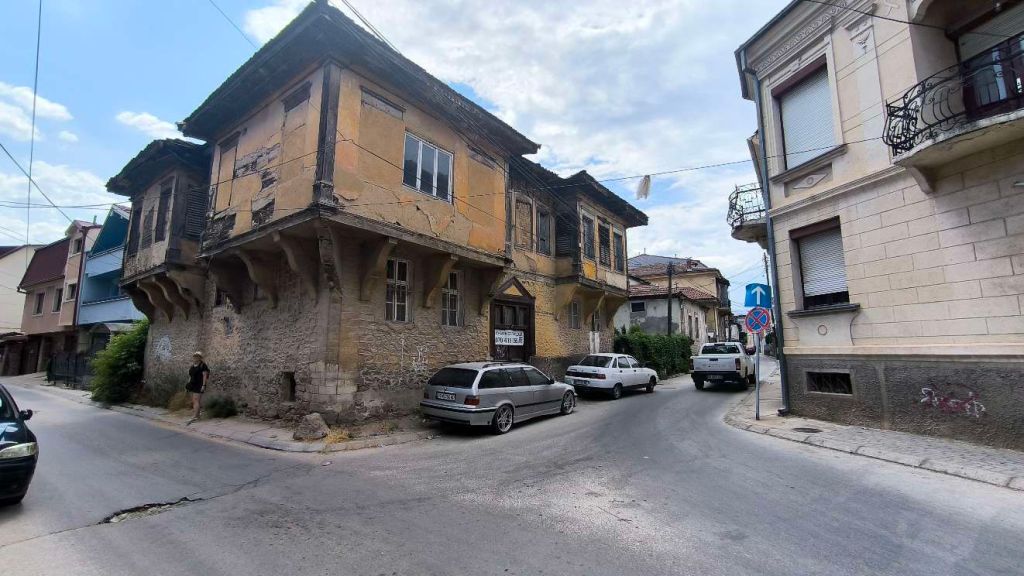
We had two lazy days here, mostly spent walking, drinking far too much coffee, and trying not to shout over the background noise. Sam also developed a lovely combo of a callous and blister on her foot (cobblestones: 1, foot: 0), which added some drama to our strolls and slowed our pace considerably. She’s on the mend—but yes, a little bit annoying in the meantime.
Bitola was a mixed bag: beautiful architecture, fascinating ruins, extremely friendly locals, and an unrivaled passion for noise. We’re glad we came, but next time we’ll bring noise-cancelling headphones—and maybe visit in the off-season.
Next stop: back to Skopje for one night, then onward to Sofia, Bulgaria.









 2 Travelling Kiwis
Leave a comment