
We were perhaps even more excited about entering Bulgaria than we had been for either Macedonia or Kosovo. That’s not a reflection on the countries themselves—more that by this point, we felt fully in the travel groove. Any lingering anxieties or worries about travelling had completely vanished, and in their place was a skyrocketing excitement and anticipation for discovering new places.
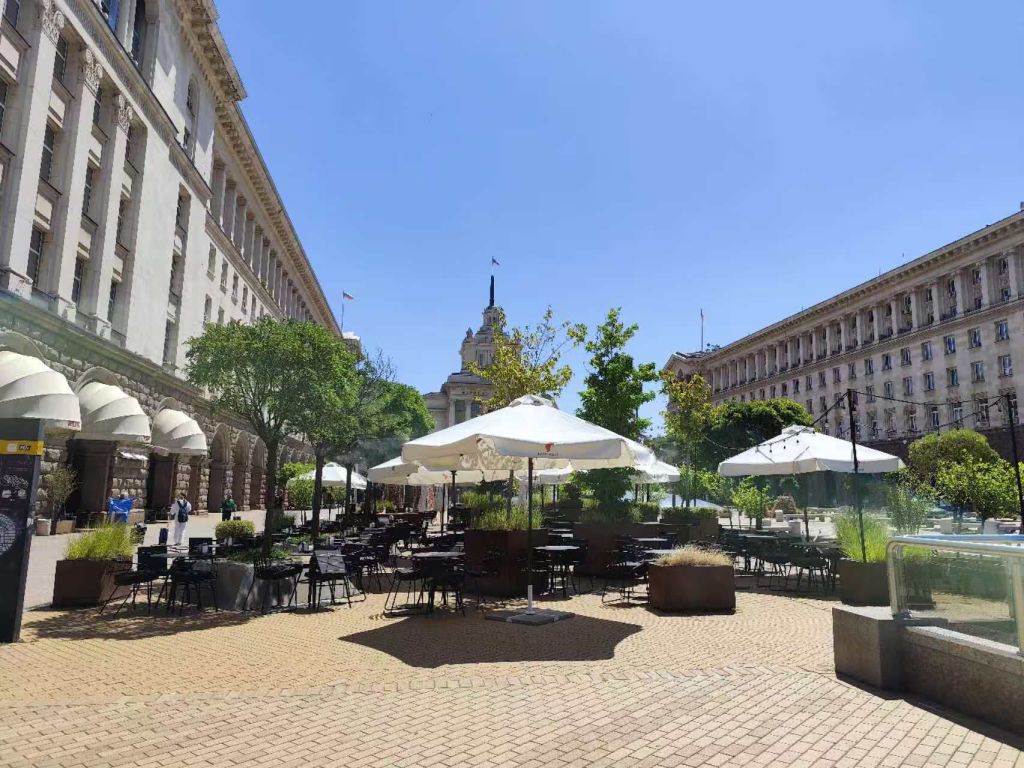
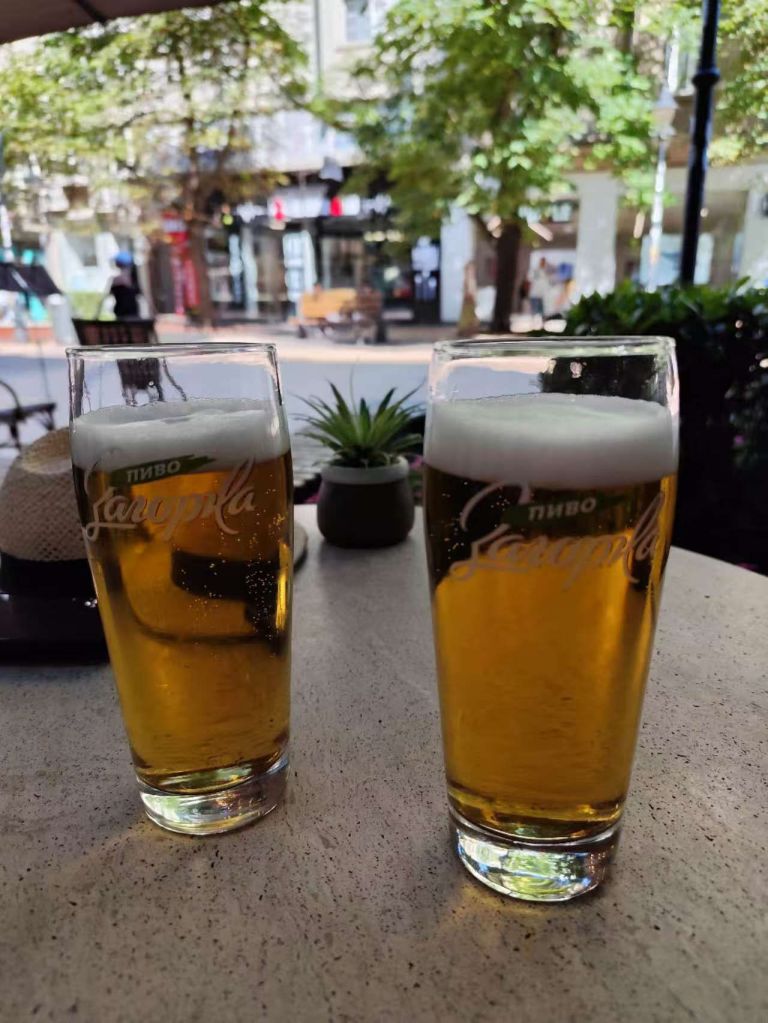
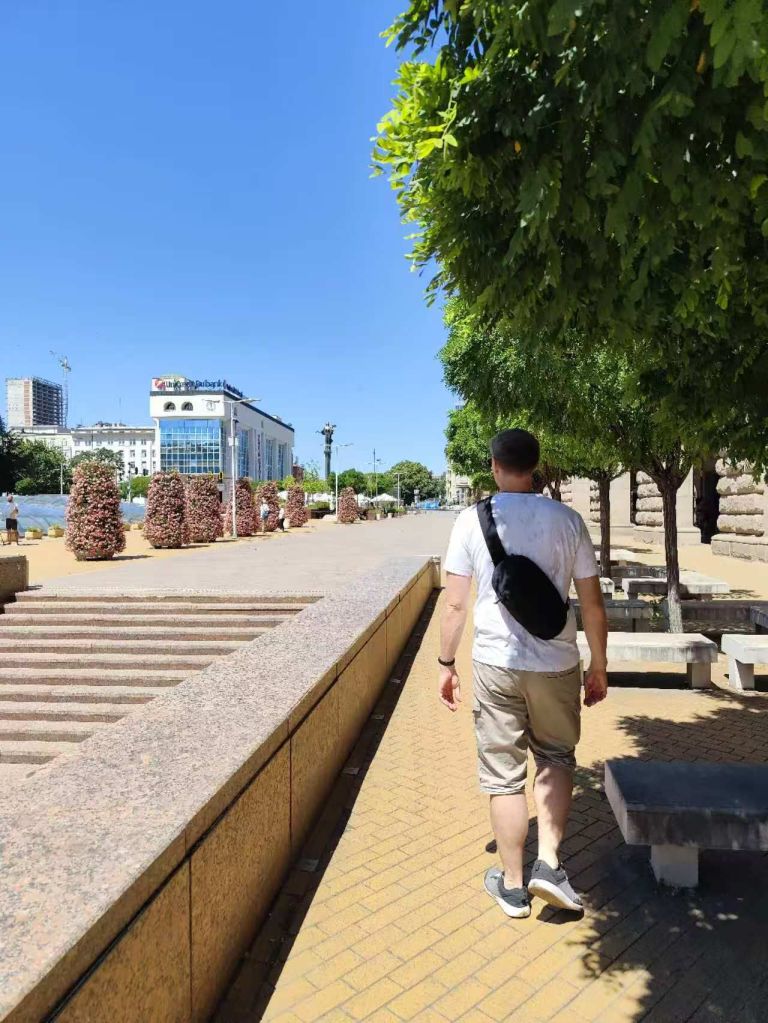
Sofia is one hell of a city. We had three and a half days there and loved every second of it. Beyond the main sights, just walking around the streets was extremely cool. There were little cafés, bars, and eateries everywhere—ranging from sprawling indoor/outdoor spaces to places with only one or two seats. Having a drink outside at any time of day or night seemed to be a national pastime. A few evening walks through South Park (not the TV show) and the surrounding areas also showed the locals’ love for being outdoors and together.
The architecture was stunning—a mix of massive, imposing Soviet-style buildings blended with more modern touches and thoughtful design.


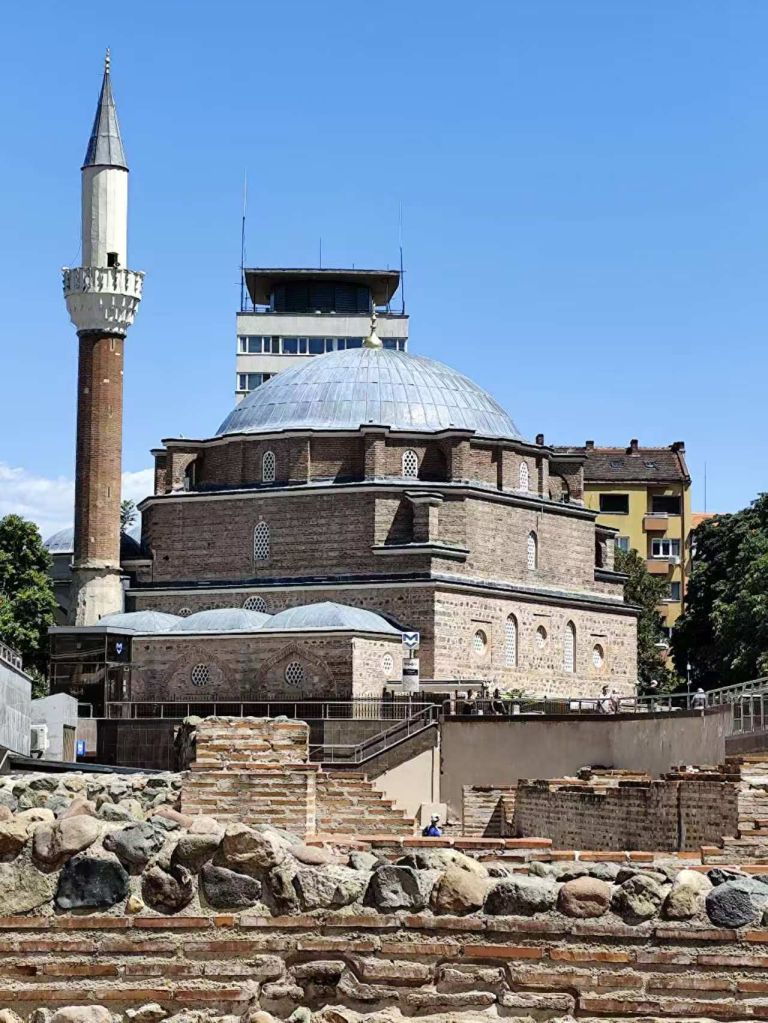
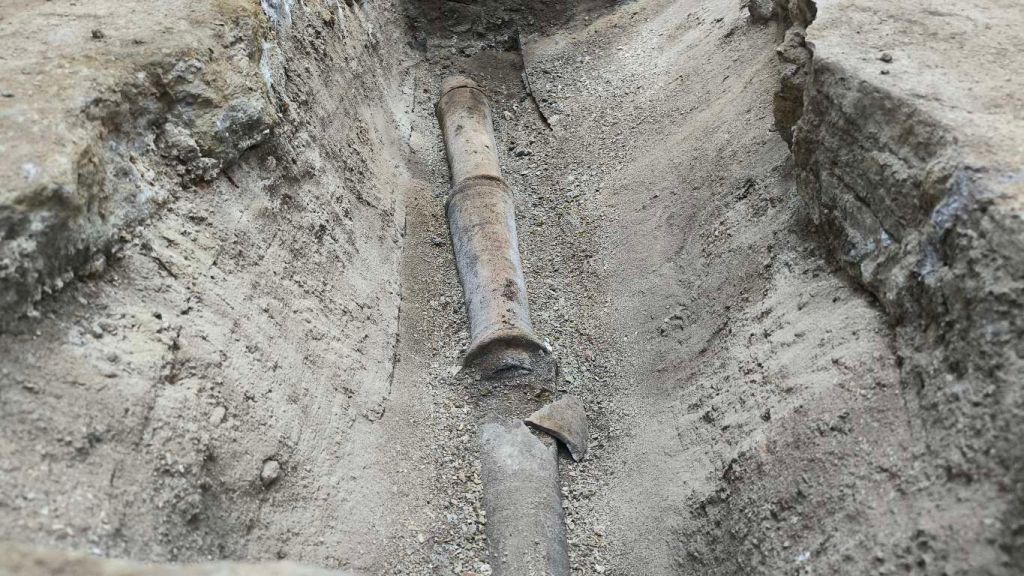
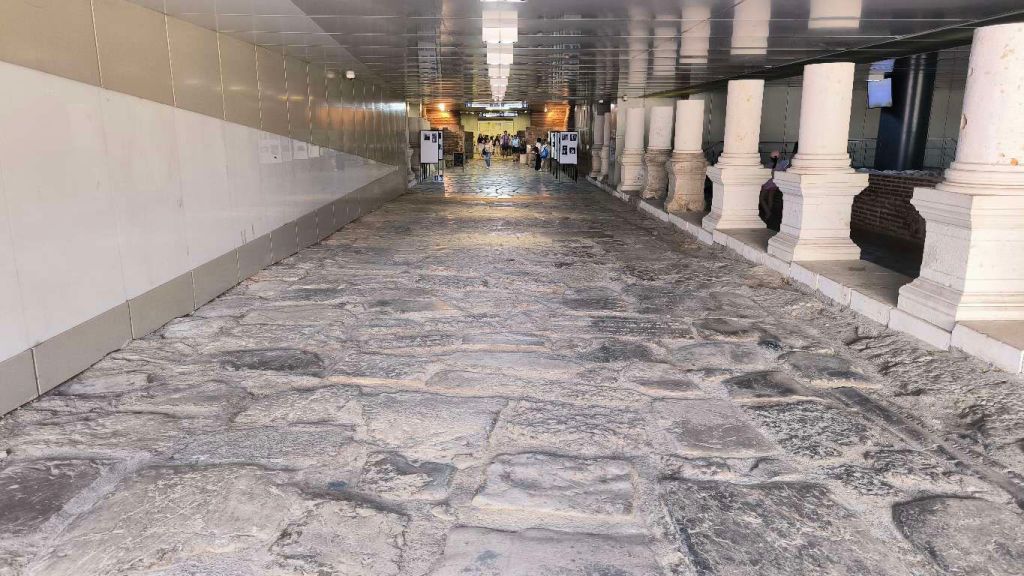
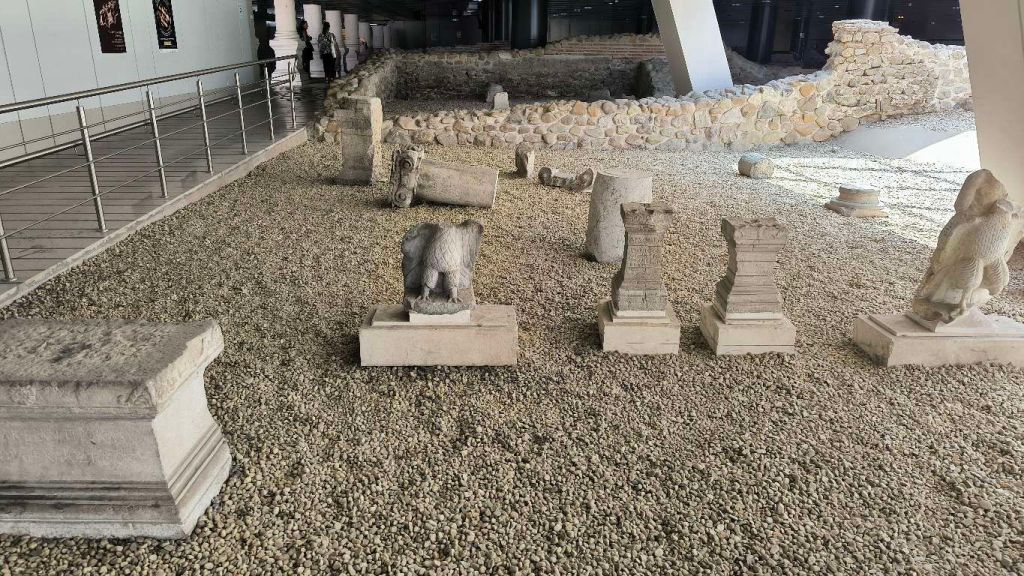
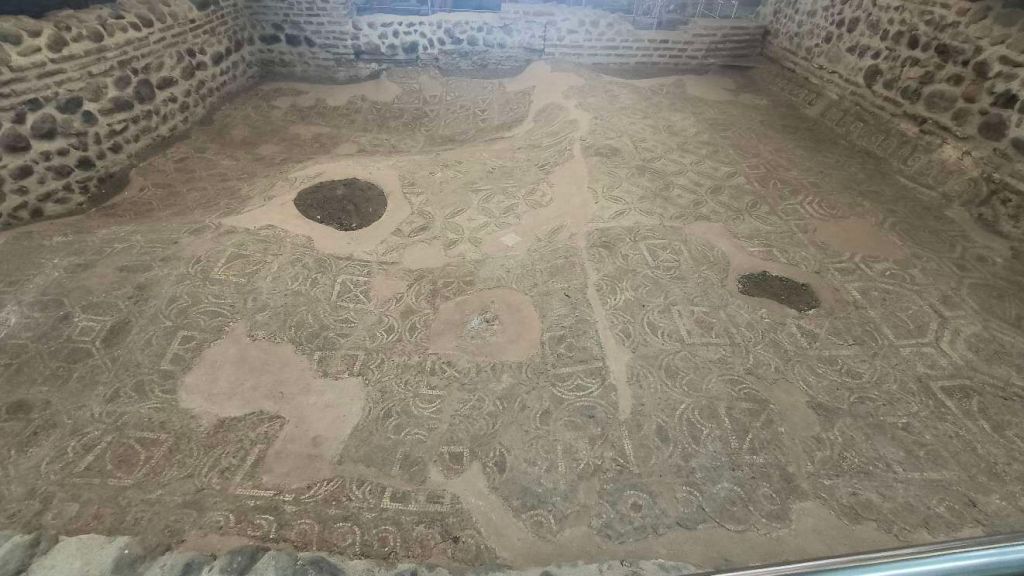
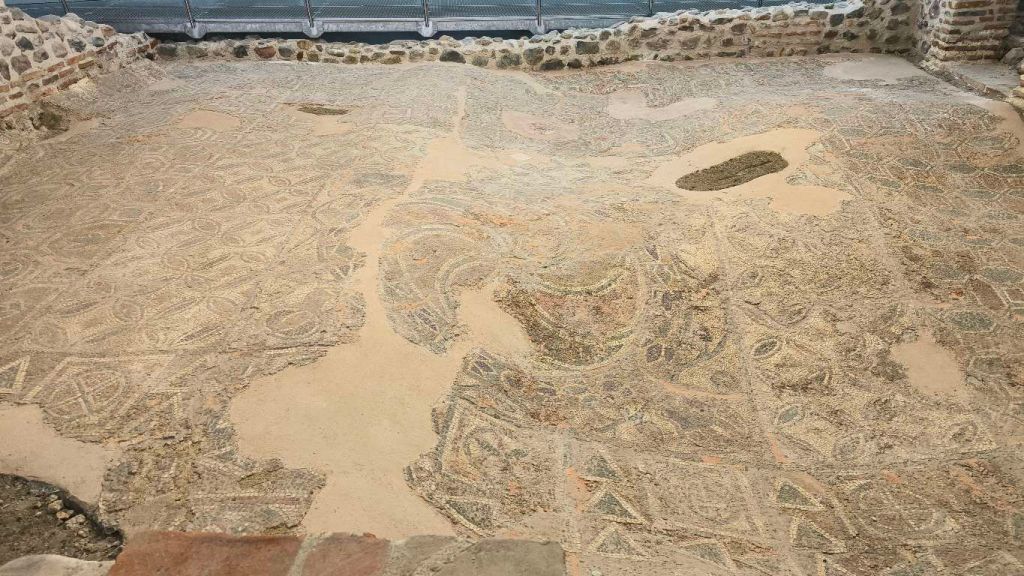
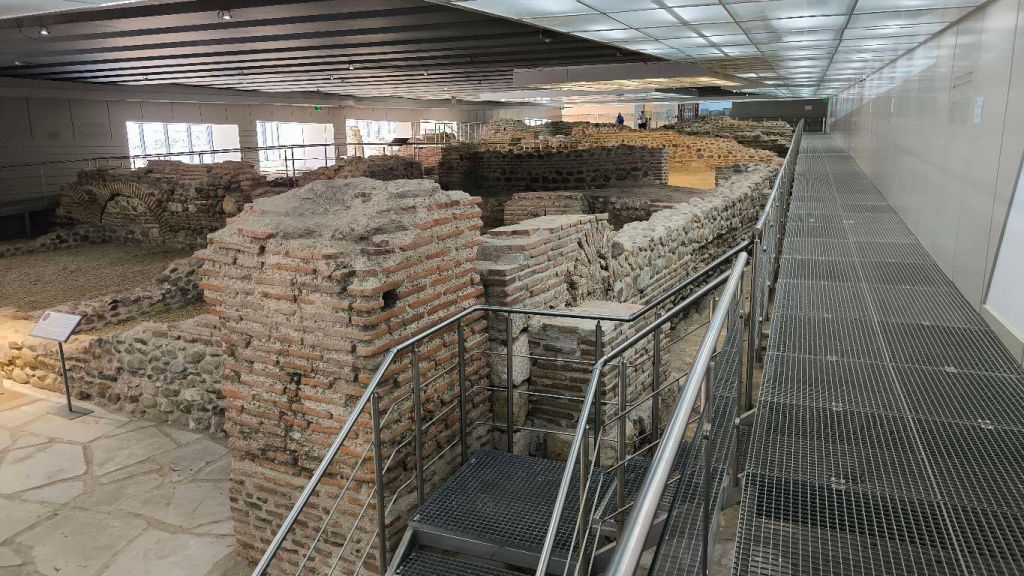
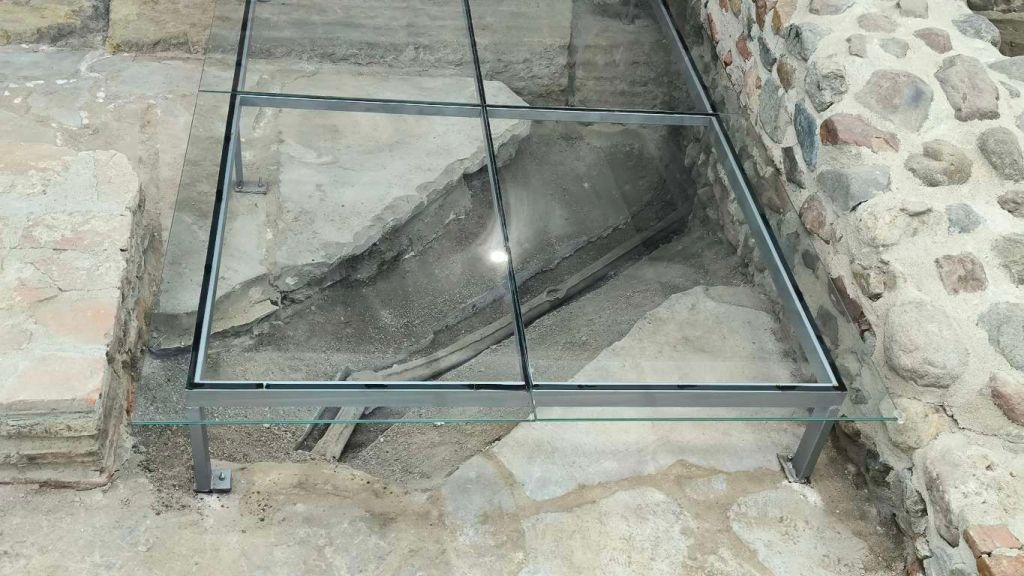
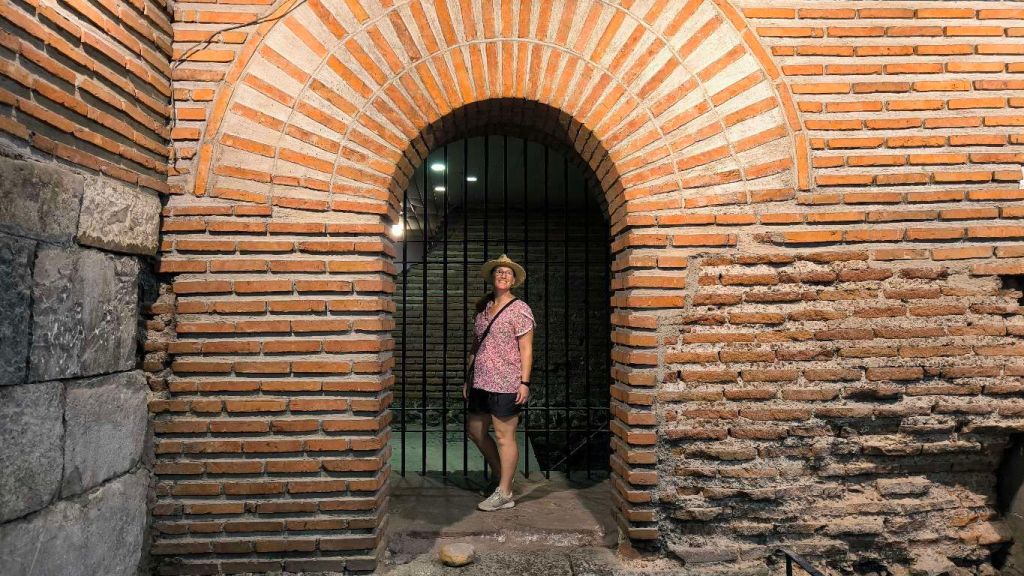
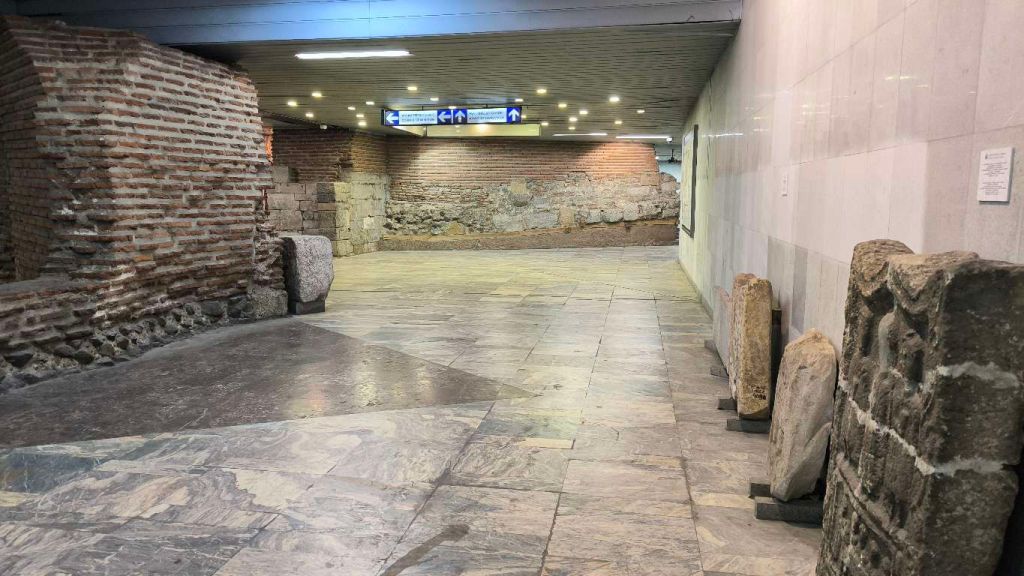
After wandering from the bus station to our cute apartment, we began exploring in earnest. Our first stop was Serdika, the ruins of a Roman town dating back to around the 4th century. What made these ruins particularly remarkable is that they were only discovered in 2010 during construction of the metro system. Rather than destroy the ruins or reroute the subway, they built the metro station through them. The result is spectacular. Walking through Roman ruins to catch the metro is quite an experience—especially since one of the entrances is via the still-in-place 6th-century Roman road. Most of the site is free to enter and explore, but we still paid the 12 BGN to see the covered sections of the old town. Seeing lead and clay water pipes still intact was very cool.


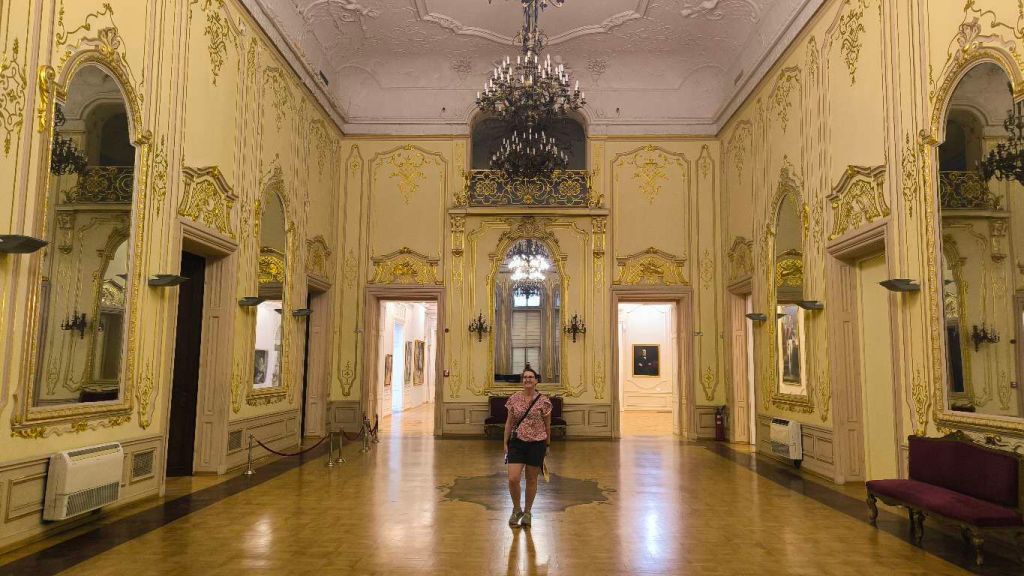
The other truly impressive site we visited was the National Museum of History. Housed in a grand former government residence at the foot of Vitosha Mountain, the museum contains remarkably well-preserved displays from prehistory through Roman times, the Middle Ages, Ottoman rule, several wars, and all the way up to independence and the modern era. Even the building itself is impressive—its brutalist Soviet-style architecture gives it a commanding presence, with its massive halls and ornate details adding a real sense of gravity.


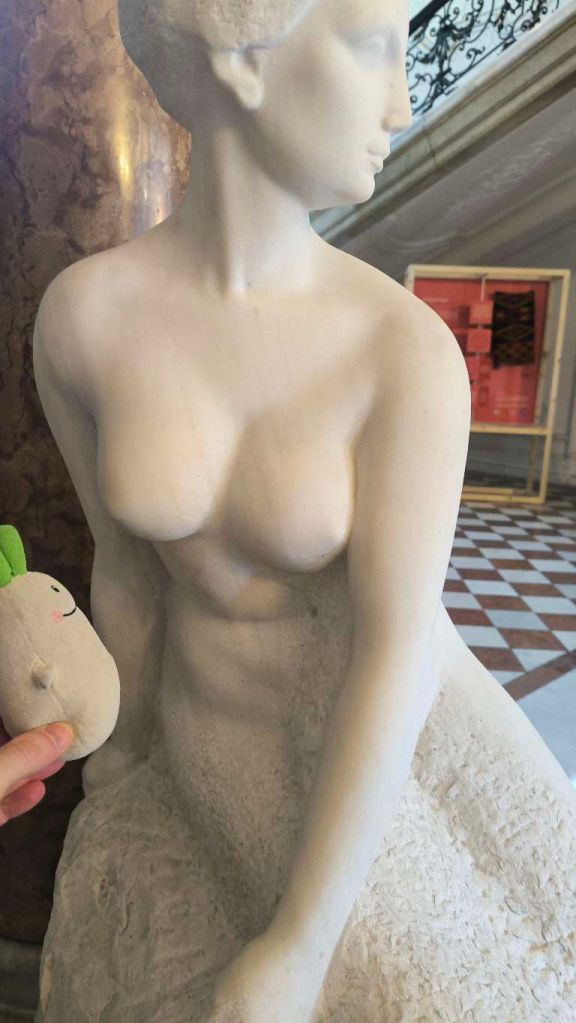
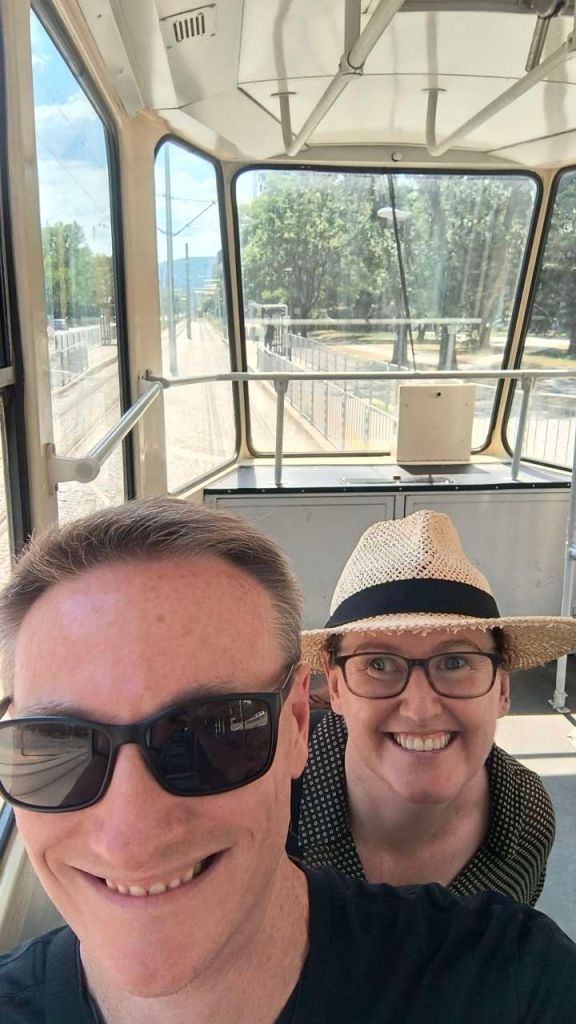
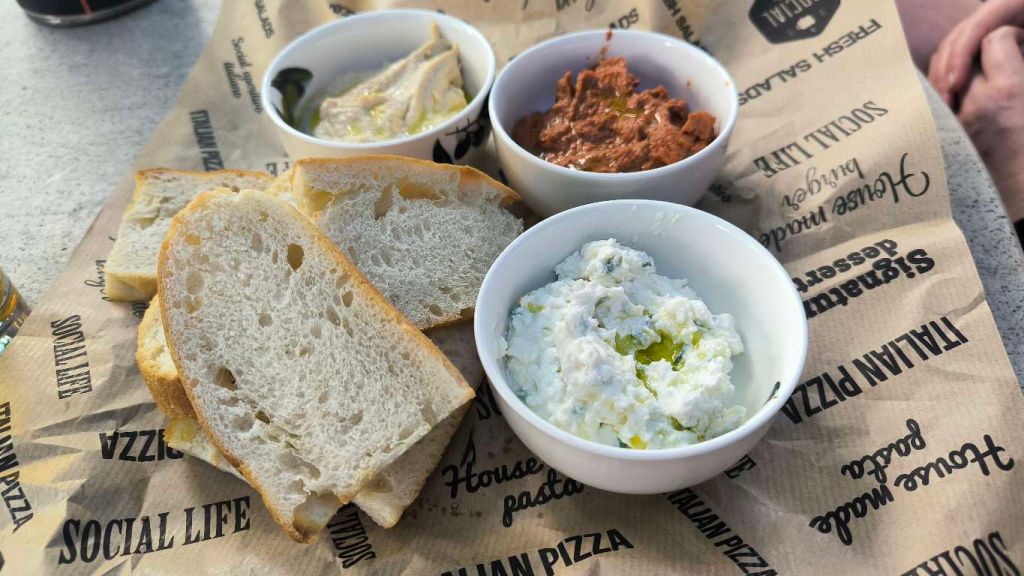
We saw a lot more in Sofia, but writing about each attraction almost does the city a disservice. These sites were more like complementary pieces to the city itself—its people, its energy, its vibe. So instead, we’ll just do the customary photo dump of everything.
Despite a population of around 1.2 million, everything felt very relaxed, and the pace of life seemed relatively slow. Admittedly, this sometimes caused frustration—like when trying to ask for the bill at a café or restaurant and having to wait the customary 15 minutes before being noticed—but the slow rhythm of life around us quickly soothed any impatience.
Four days could easily have stretched into four weeks, and we can see why Sofia is considered by many to be such a livable city.
Next stop: Plovdiv, Bulgaria’s second-biggest city. It’s got a lot to live up to after Sofia!




 2 Travelling Kiwis
Leave a comment