
If there’s one thing we’ll remember about Plovdiv, it’s the heat. Extreme heat. All the heat.
After arriving on a sumptuously cool, fast, efficient, and punctual train—a refreshing contrast to its Macedonian equivalent—we made our way to our accommodation. It was a strangely assembled apartment featuring the longest couch in history, a bed with a single sheet and two duvets (for some reason), and a general vibe of oddity. But we left all that behind and, despite being tired, headed out in the evening after dinner to find a couple of beers and unwind.
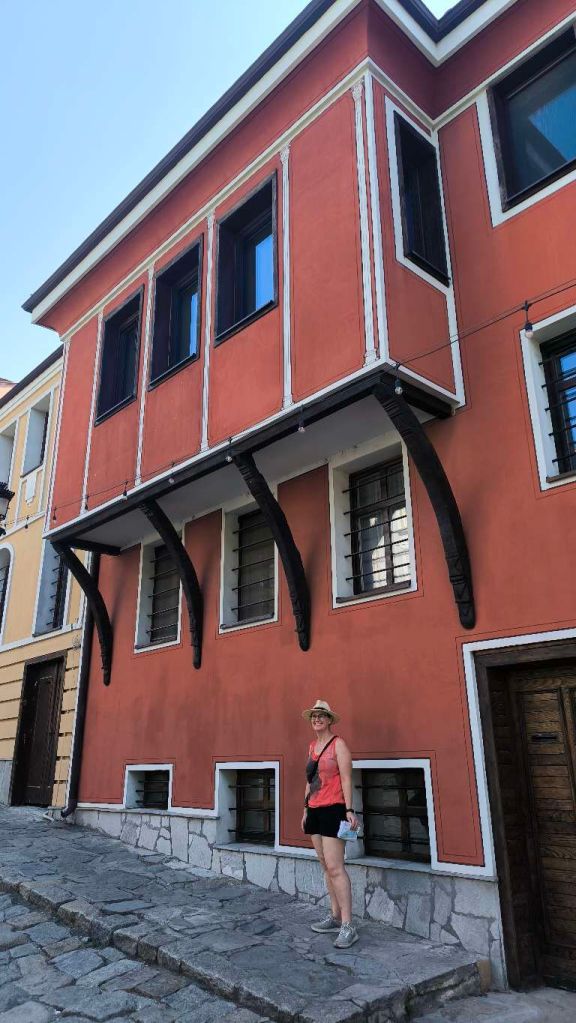
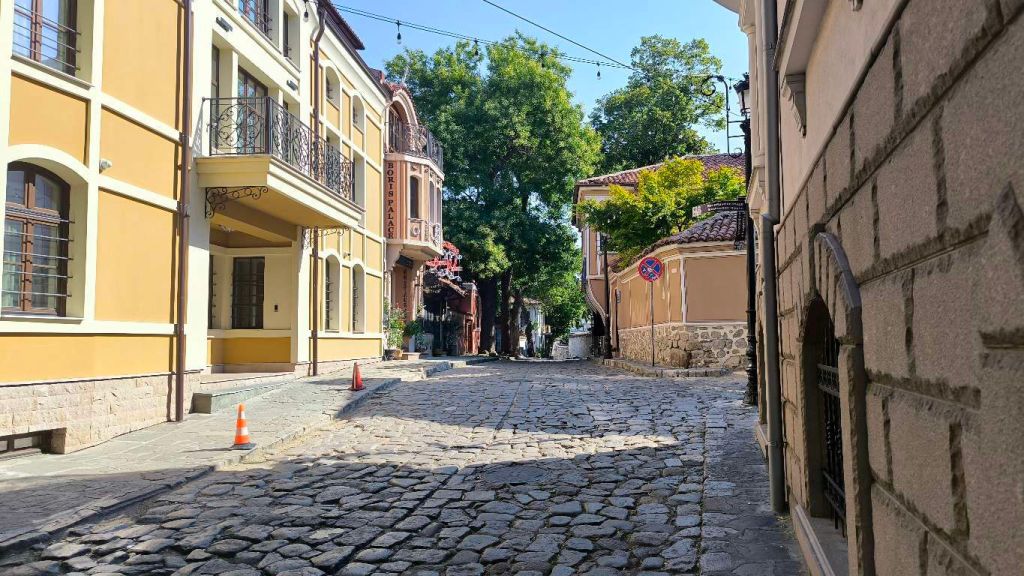
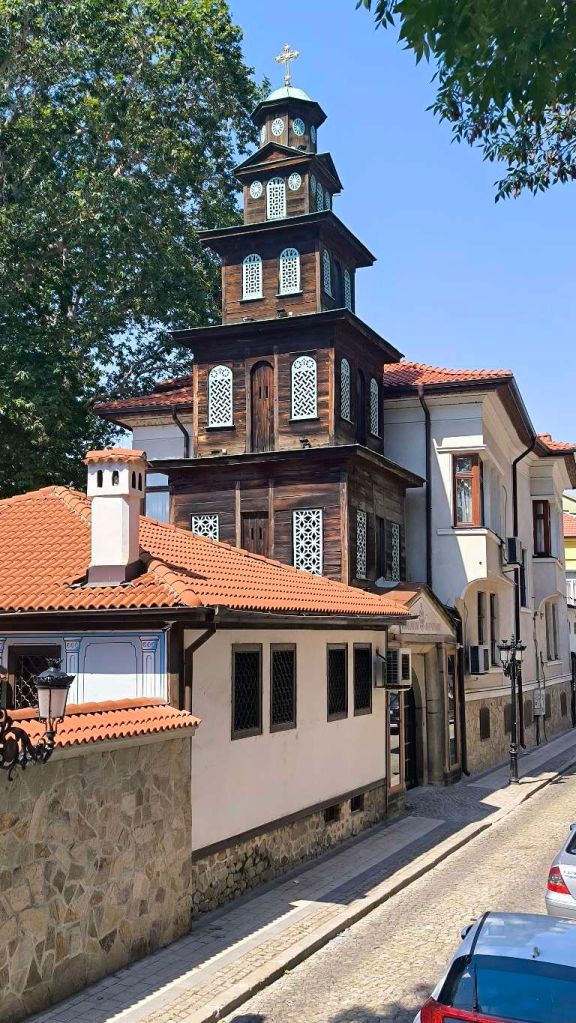
Plovdiv’s Old Town was beautiful—except we hadn’t actually reached the Old Town yet. We’d wandered into an apparently hipster district we mistakenly thought was the Old Town. Still, the cobbled streets and gorgeous architecture made it the perfect spot for a beer, so we sat down… and then stayed for several more than planned. Dehydrated and tired from the day’s travel, this probably wasn’t our wisest move, but we’d made a vow: we would return to this beautiful spot, sit down again, and enjoy more beers while people-watching.


Unfortunately, that never happened.
The heat just kept rising—mid-40s every day. It was relentless. And with very few air-conditioned places outside of our apartment, it became a real struggle. So we made a tactical change: on our first full day, we decided to wake up at 6 a.m. (a brutal choice) and do all our exploring before lunch, then hide out in the apartment during the hottest part of the day, and venture out again in the evening.
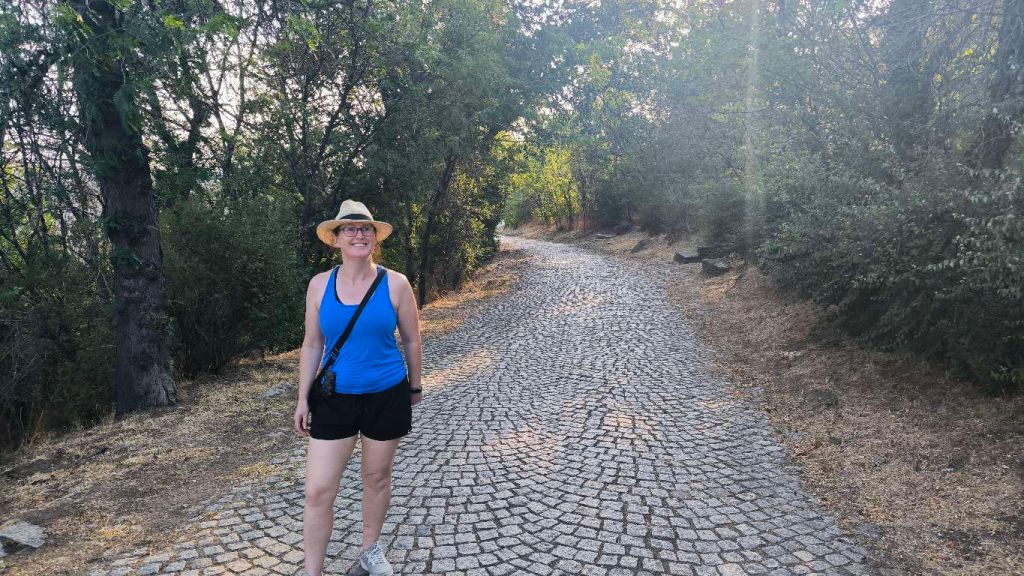
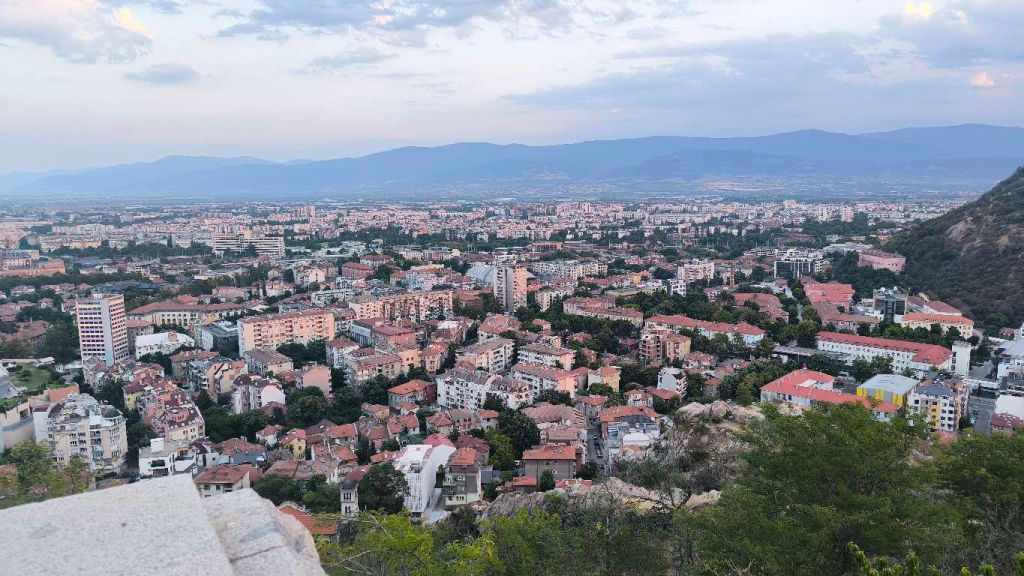
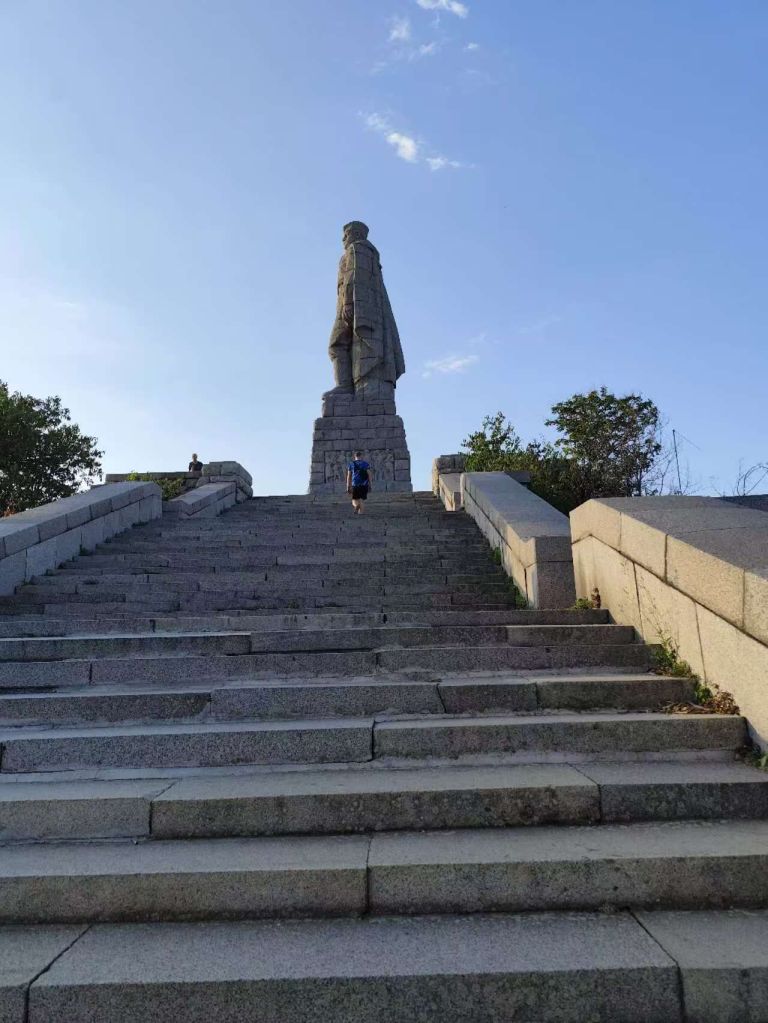
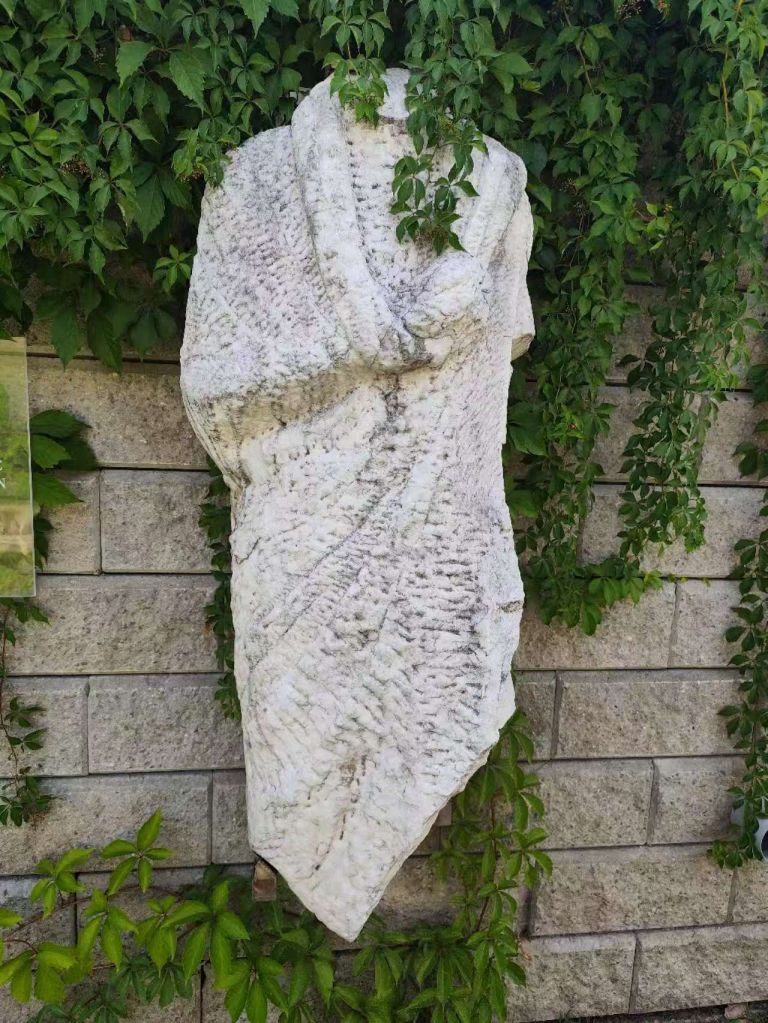
For the first couple of days, this plan worked well. On the first morning, we climbed the hill near our apartment for panoramic views over the city, passing several statues including the prominent Alyosha, gazing out over Plovdiv. Early mornings meant cooler temperatures and a chance to see the city without melting.


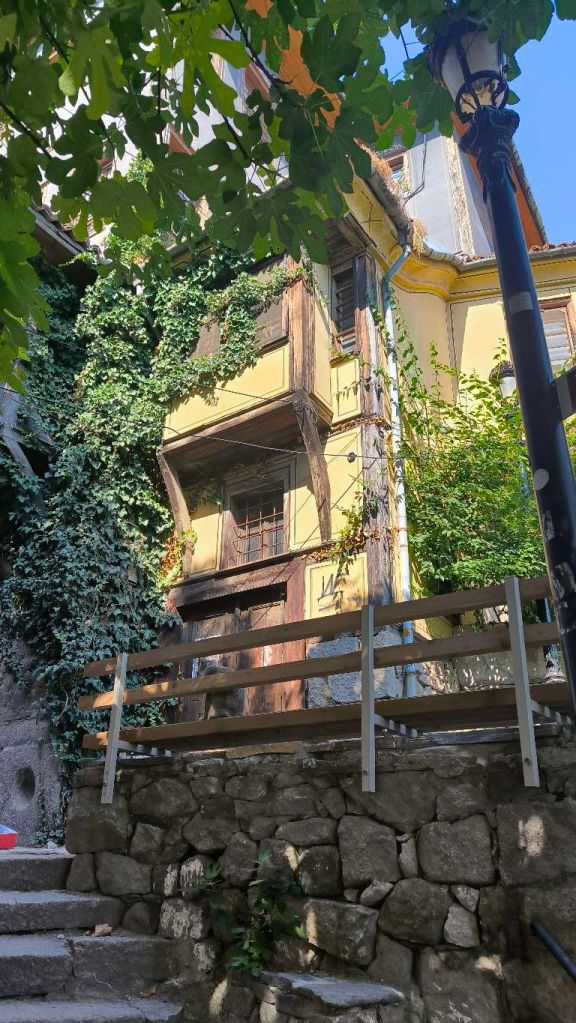
The downside? Nothing is open in the morning. So, although we wandered through lovely areas and explored the actual Old Town, it felt like a ghost town. That said, we did spot a few other early risers attempting the same heat-avoidance strategy, which made us feel slightly validated.
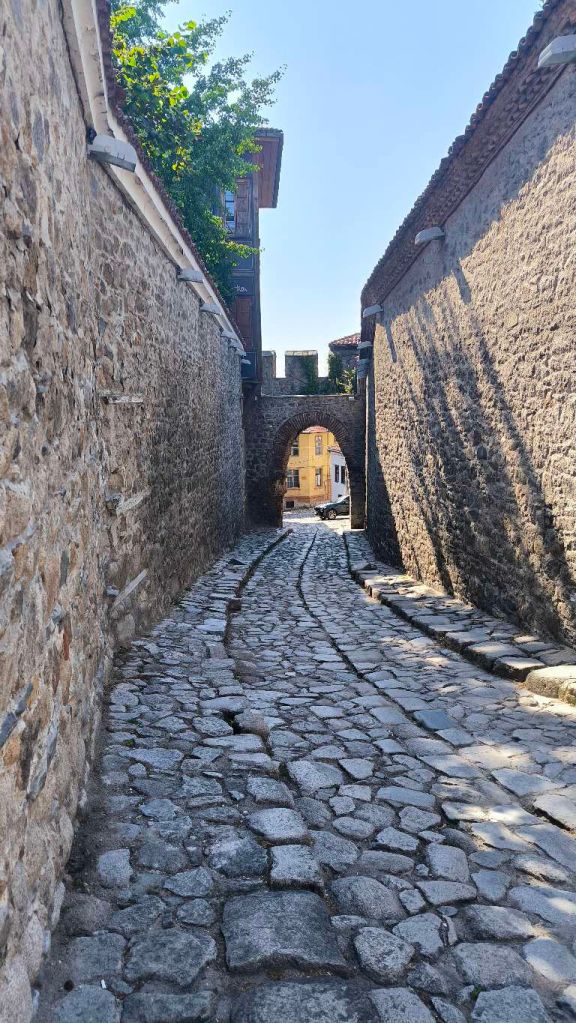
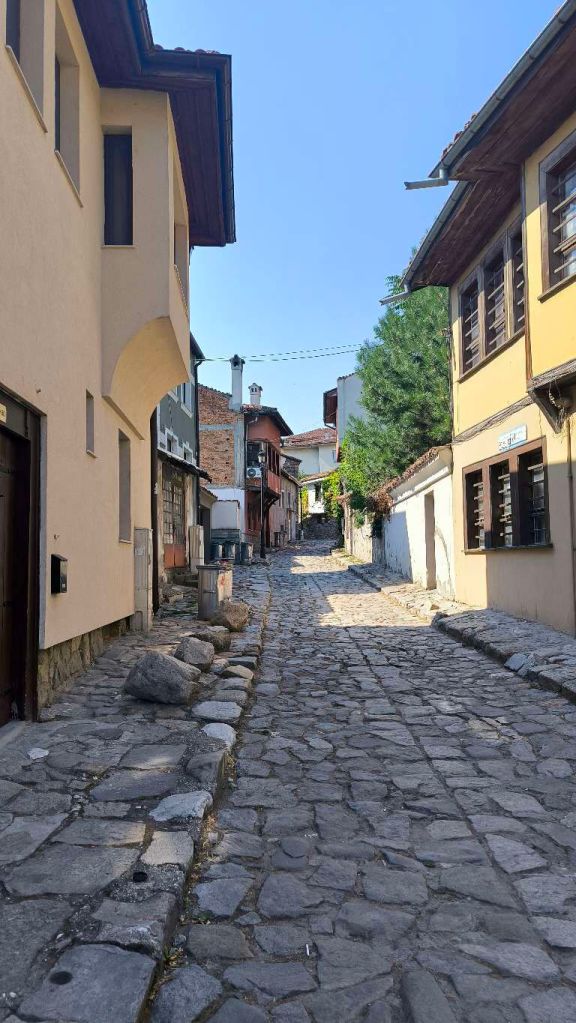
The Old Town itself was charming, but not without its quirks. The cobblestones were very worn, making walking tricky, and there was a noticeable lack of shops and restaurants—an issue we encountered several times throughout Bulgaria.



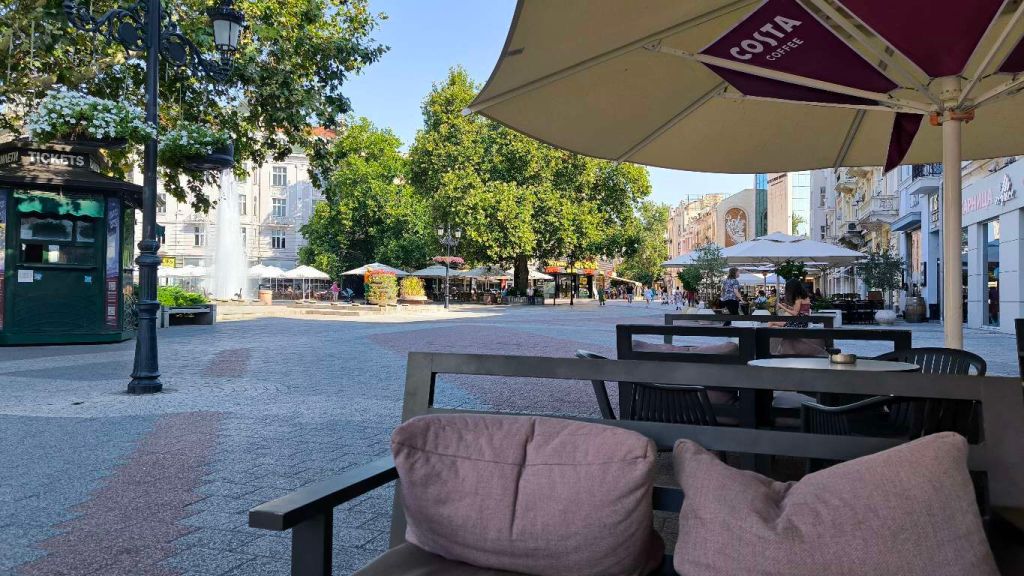
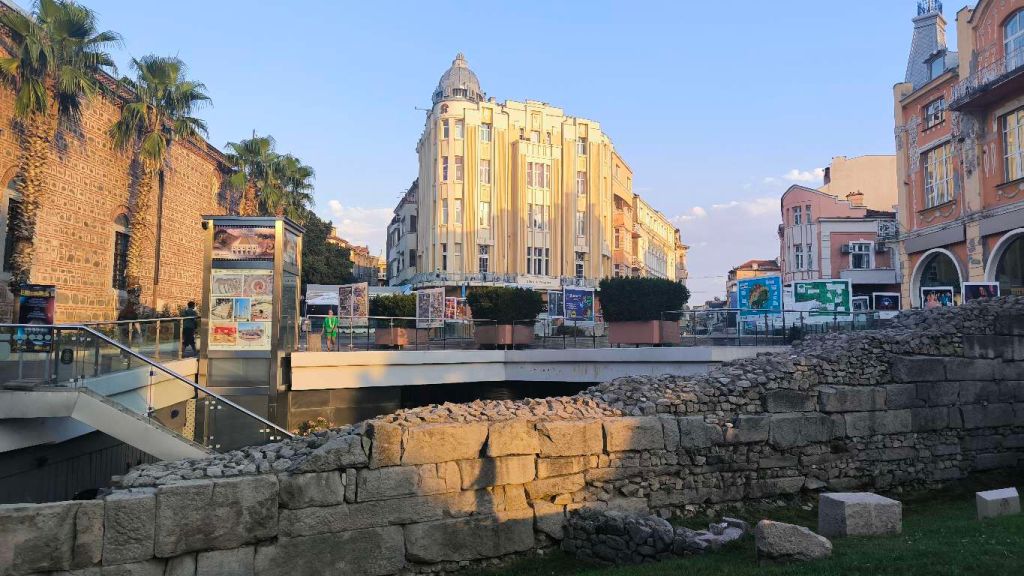
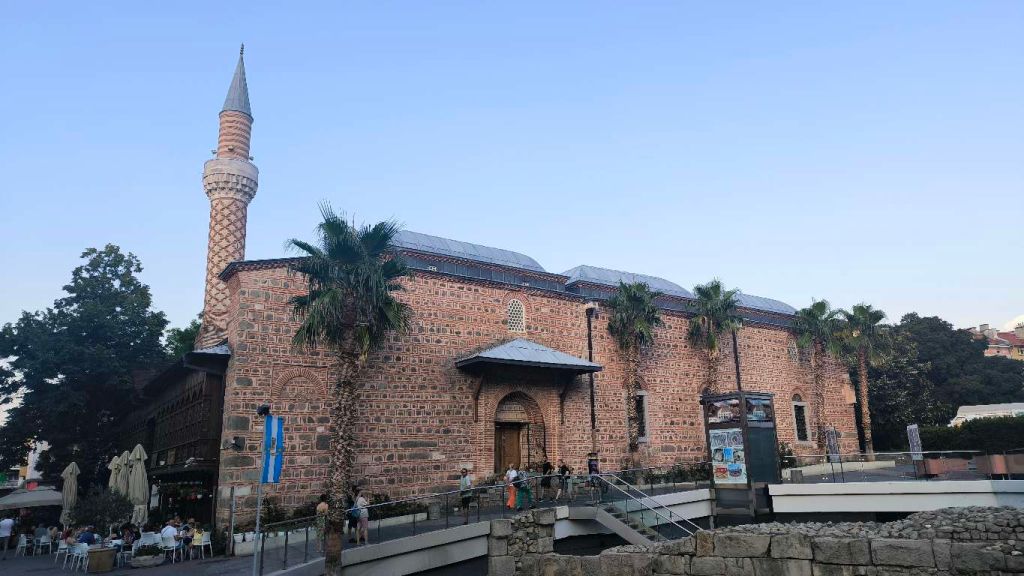
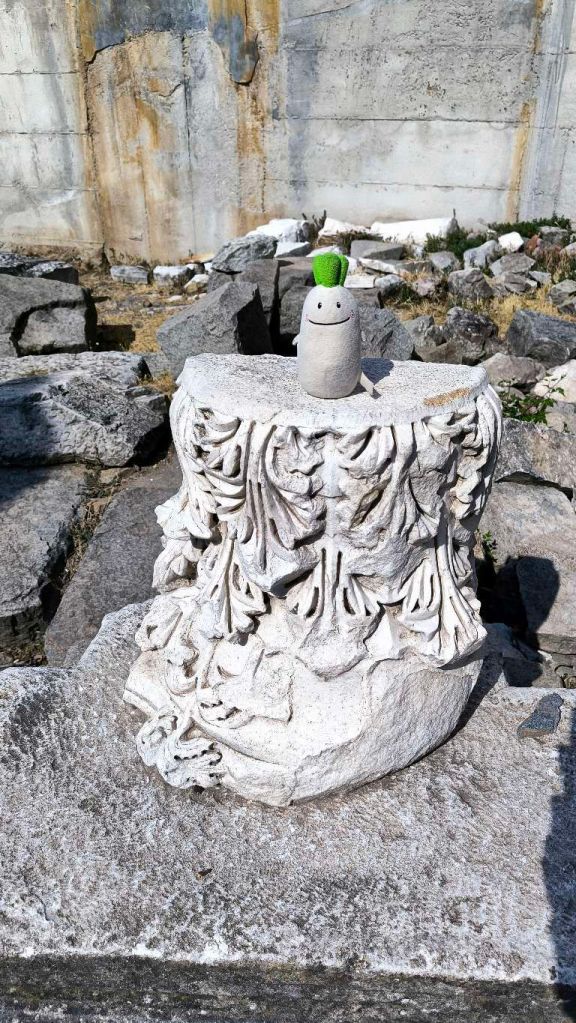
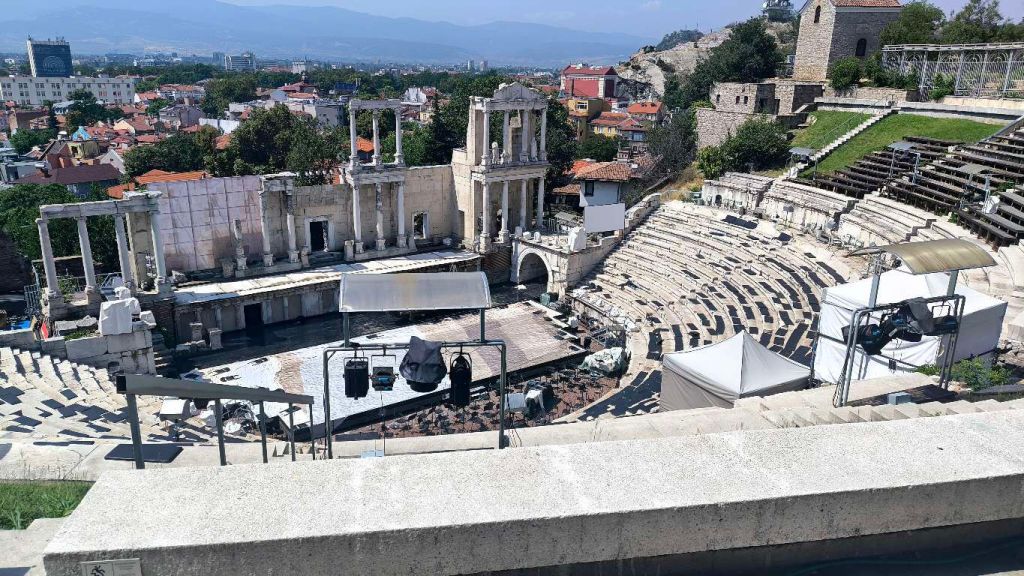
Not far from the area where we had our beers, we discovered a long pedestrian boulevard stretching right through the center of the city. The street was gorgeous—lined with shops, cafés, and restaurants—and featured a surprising touch of ancient history. Just tucked beside a mosque was a Roman amphitheater, casually nestled into the city as if it had always been there. At the far end of the walking street stood the remnants of the old Roman forum, once the heart of the city in ancient times.
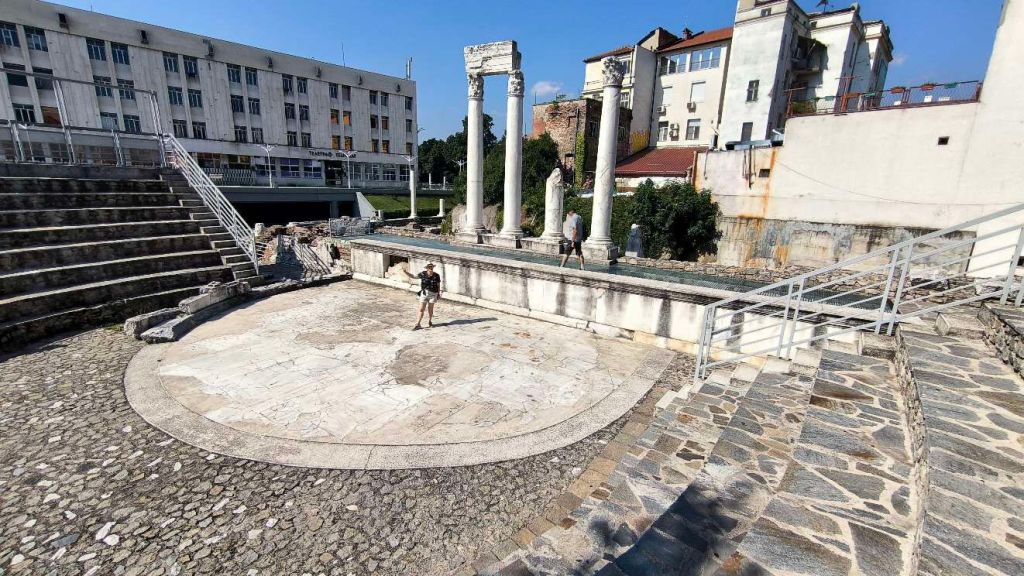

Much like in Sofia, we loved how these Roman ruins were simply woven into the fabric of modern life. It gave Plovdiv a striking “past meets present” vibe—history not hidden behind fences, but casually integrated into the daily rhythm of the city.
We ended up stopping for many coffees along this street—somewhat embarrassingly at Costa Coffee, and even more embarrassingly, iced coffees. But in that kind of heat, it simply had to happen. These coffee breaks gave us a chance to relax, watch the world go by, and take in our surroundings at a slower, more appreciative pace.


All in all, Plovdiv had a lot of potential, and we really wanted to love it. The city was friendly enough, and that first night out with beers and people-watching gave us a glimpse of what it could offer. But the heat made everything more difficult than it needed to be, and we felt like we never quite saw it at its best.
We’ll still post our photos, of course, but this is one place where we feel a return visit—in more temperate weather—is a must.













 2 Travelling Kiwis
Leave a comment