
As mentioned in the previous post, packing up after the thunderstorm was very, very wet. Our camping gear was wet. We were wet. The campsite was wet. Pretty much everything we owned was wet. We had to wait for breaks in the rain and then dash around trying to pack a little bit at a time, before retreating again when the heavens opened. It wasn’t exactly the smooth, efficient morning we’d imagined when we’d planned our six-week bikepacking adventure.
Fortunately, the day’s ride was relatively short—only around 30 kilometres to Noboribetsu. Unfortunately, it was also our first proper experience of cycling in persistent wet weather. The rain and mist followed us for most of the journey, making it difficult to see much of the scenery around us. We were reasonably well prepared, though. We’d brought waterproof trousers and jackets, and we’d even come up with the genius solution of wearing jandals over our socks to keep our actual cycling shoes dry.
It wasn’t particularly elegant.
But it worked.
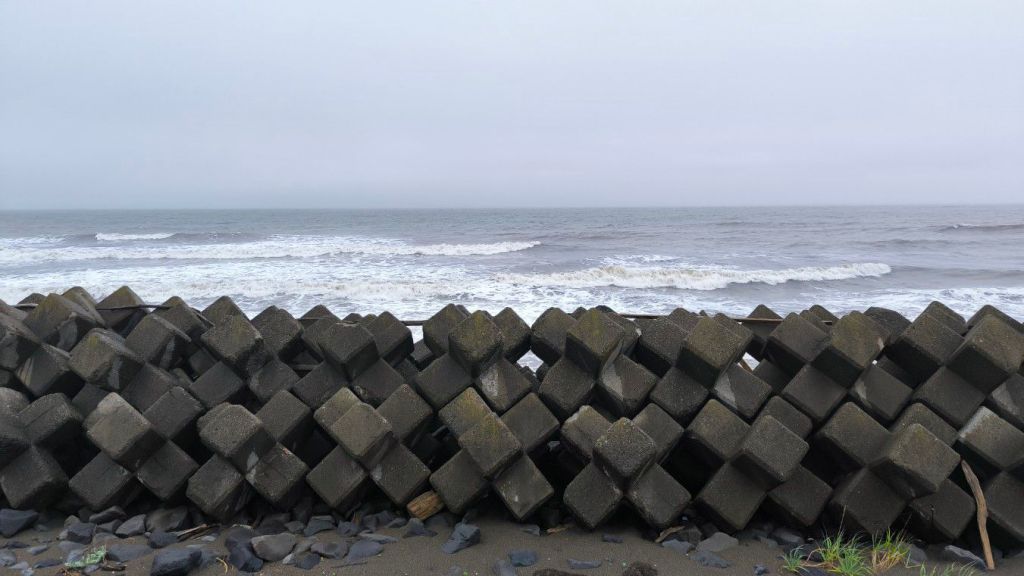
Despite the rain, we survived the ride perfectly well, eventually reaching the coast and finding ourselves drawn towards a cute little roadside café. For reasons we can’t really explain, we spotted some croquettes and immediately decided that was what we wanted. So we stopped, ate delicious croquettes, warmed up a little, and continued on our way.

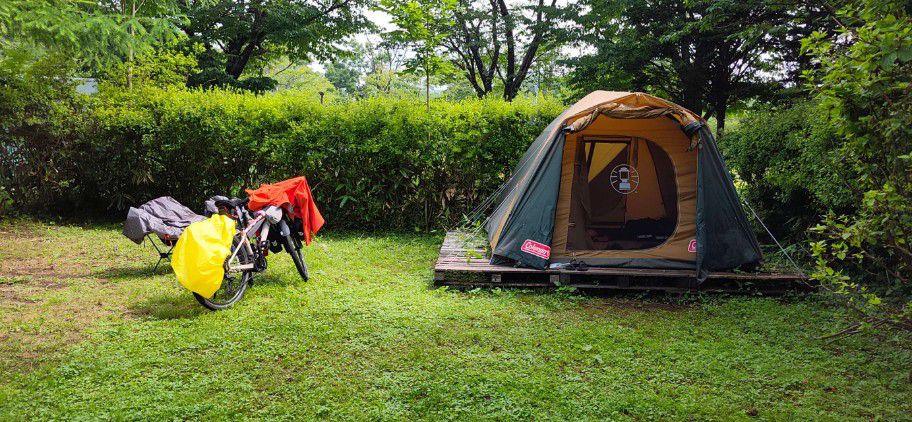
Eventually, we arrived at our campsite in Noboribetsu, and this is where Japanese hospitality really came through. The lovely campsite owner took one look at the two of us standing there—two absolutely soggy cyclists, dripping rain everywhere—and clearly took pity on us. He offered us the use of a large pre-set tent that he had available.
We accepted.
Gladly.
It meant we didn’t have to spend another night sleeping inside our own soaking-wet tents and, even better, we could spend the next couple of days trying to dry everything out properly.
There was however, one small problem.
The tent was absolutely swarming with insects.
Spiders. Slugs. Things flying around. Things crawling around. And several other creatures that we were fairly sure hadn’t yet been identified by science. It was, quite possibly, the buggiest tent in human history. Fortunately, they were all between the outer flysheet and the inner mesh, so they weren’t actually inside the tent. Unfortunately, that meant that every time we needed to leave the tent, we had to run a sort of insect gauntlet. Opening the door was like starting a bug marathon, with dozens of tiny creatures seemingly waiting for their opportunity to join us. This was particularly entertaining whenever Sam needed to use the toilet. There was a considerable amount of squealing. Still, compared with spending the night inside our own soaking-wet tent, we’d take the insect gauntlet.

Our arrival in Noboribetsu also introduced us to another rather important feature of Hokkaido: hills.
This was our first proper uphill of the trip. It wasn’t particularly dramatic, but when you’re riding a loaded bike carrying around 25 kilograms of gear, even a modest hill suddenly becomes considerably more…interesting.
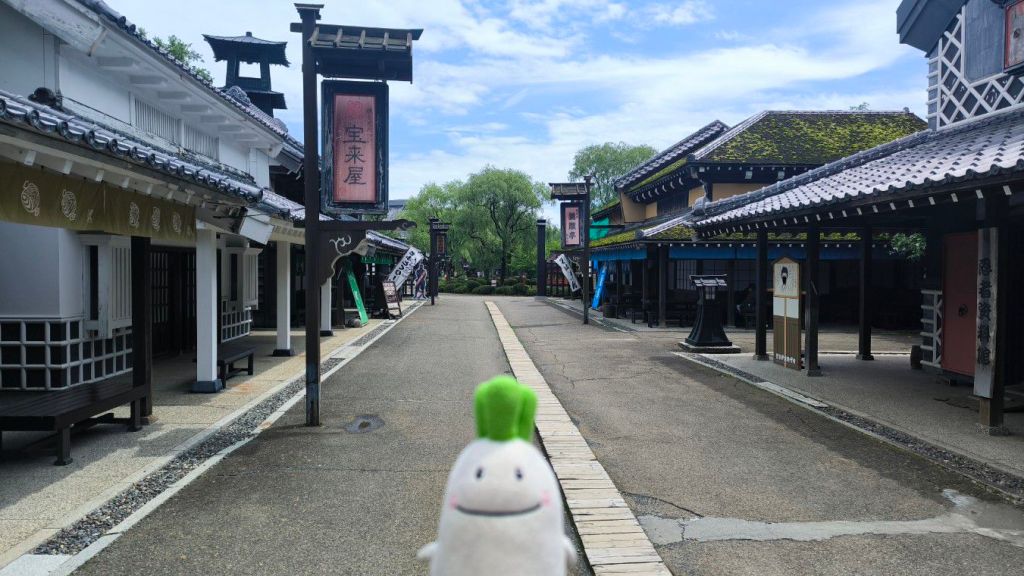
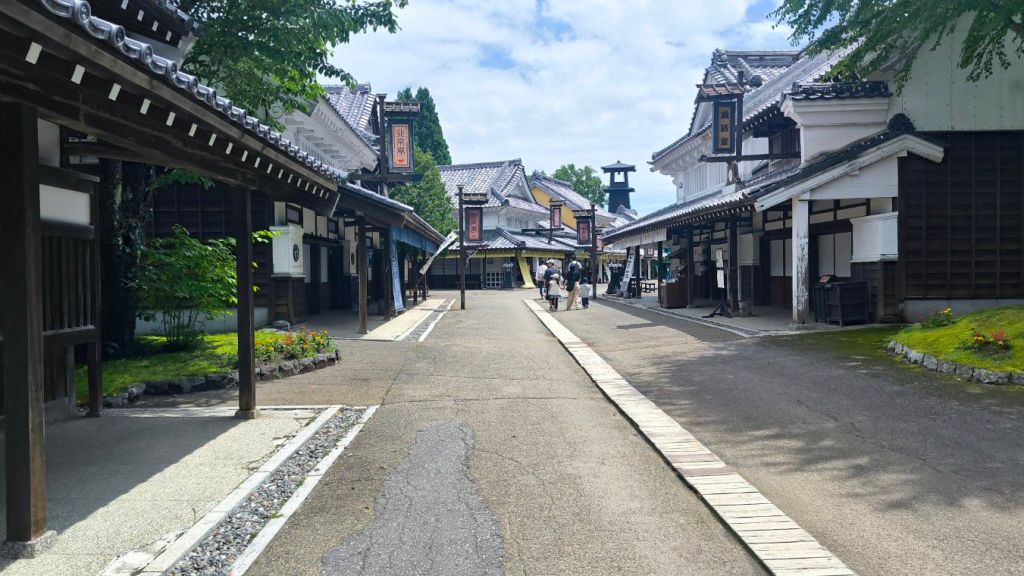
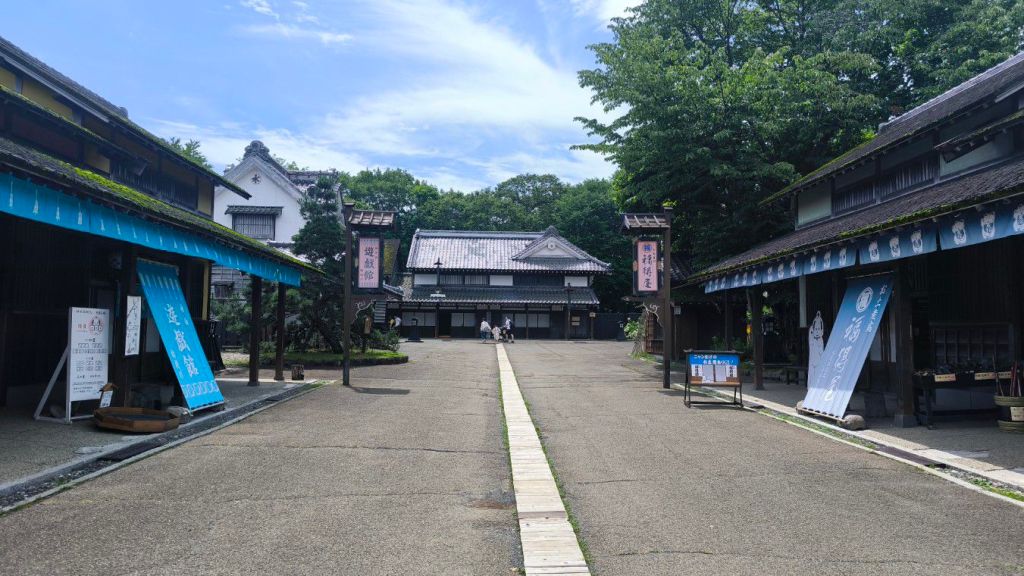
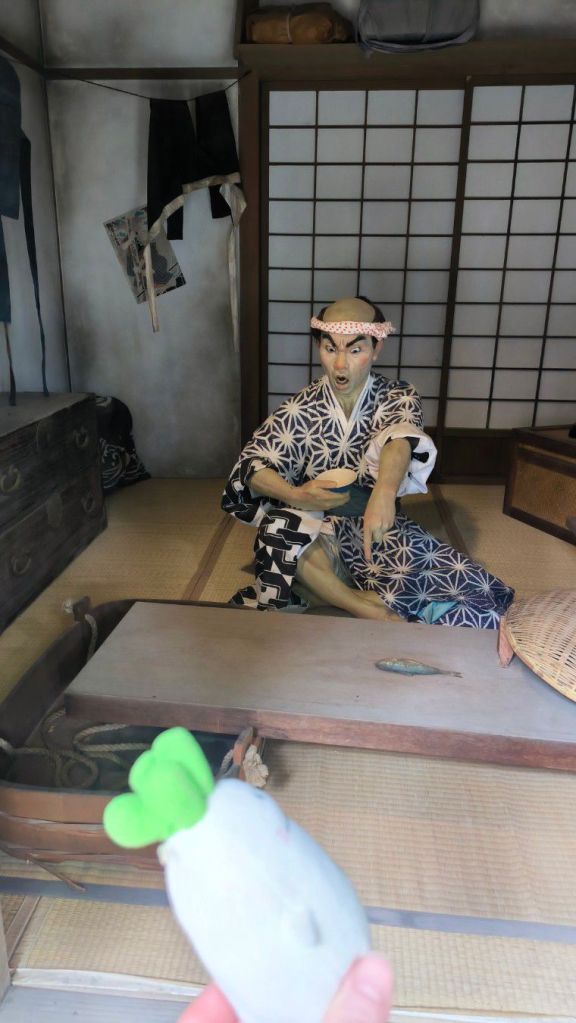
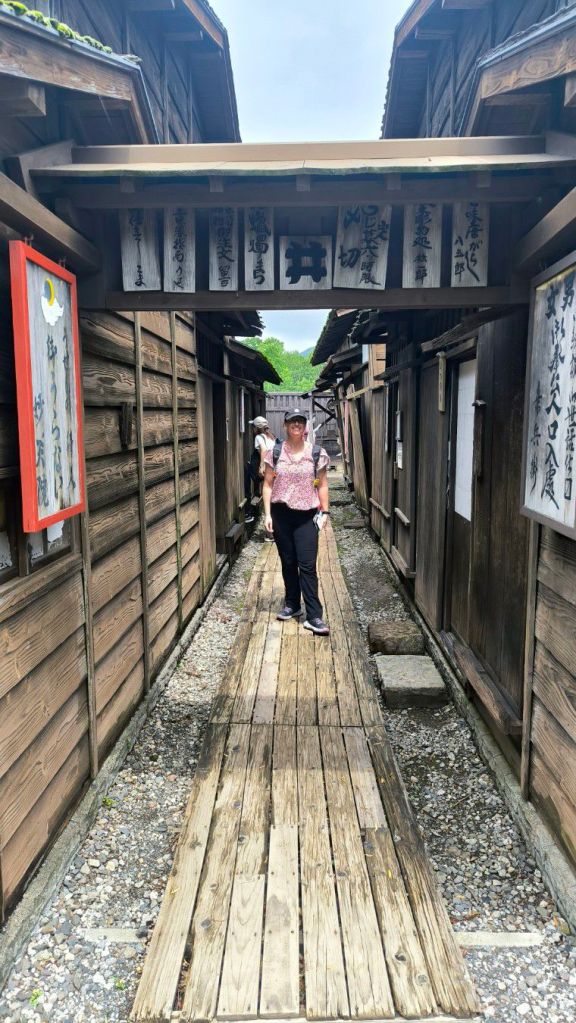
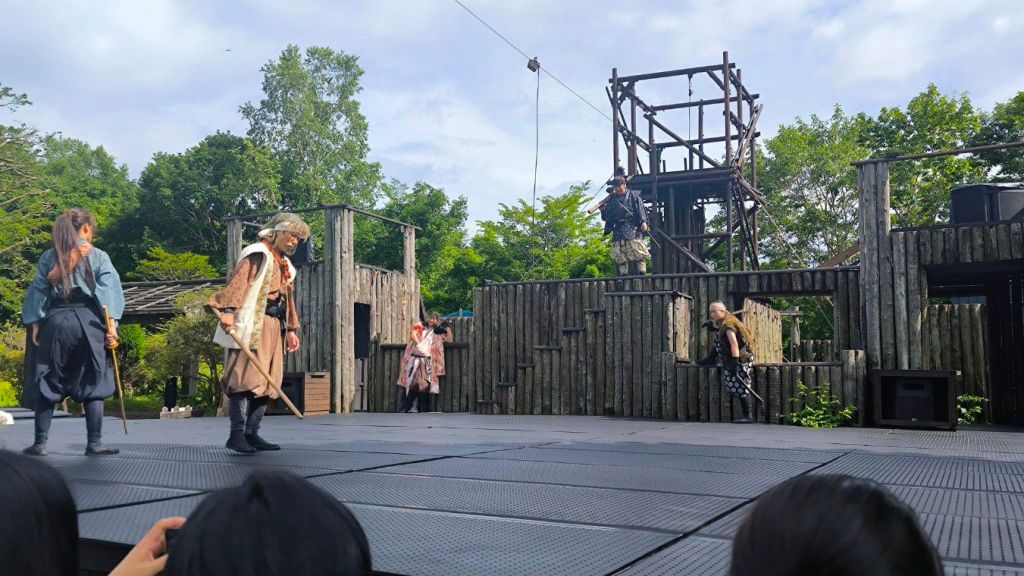
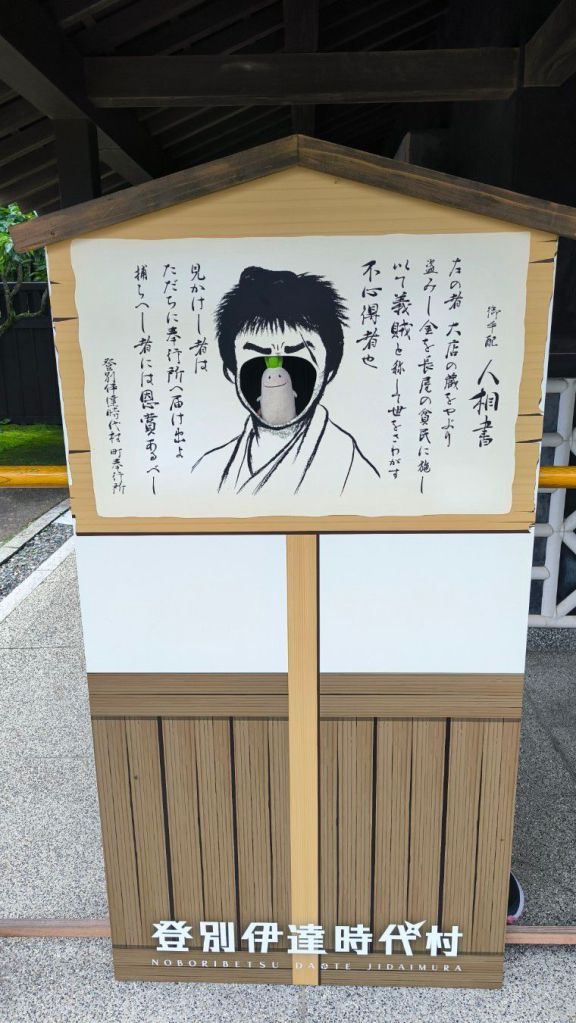
In Noboribetsu, we decided to visit Noboribetsu Date Jidaimura, a historical theme park designed around Japan’s Edo period. Rather than being a traditional museum, Date Jidaimura recreates an Edo-era town, complete with period-style buildings, streets, performances, demonstrations, and displays designed to give visitors a glimpse of what life in Japan may have looked like during the Edo period, roughly from the early 1600s to the mid-1800s.
And we loved it.
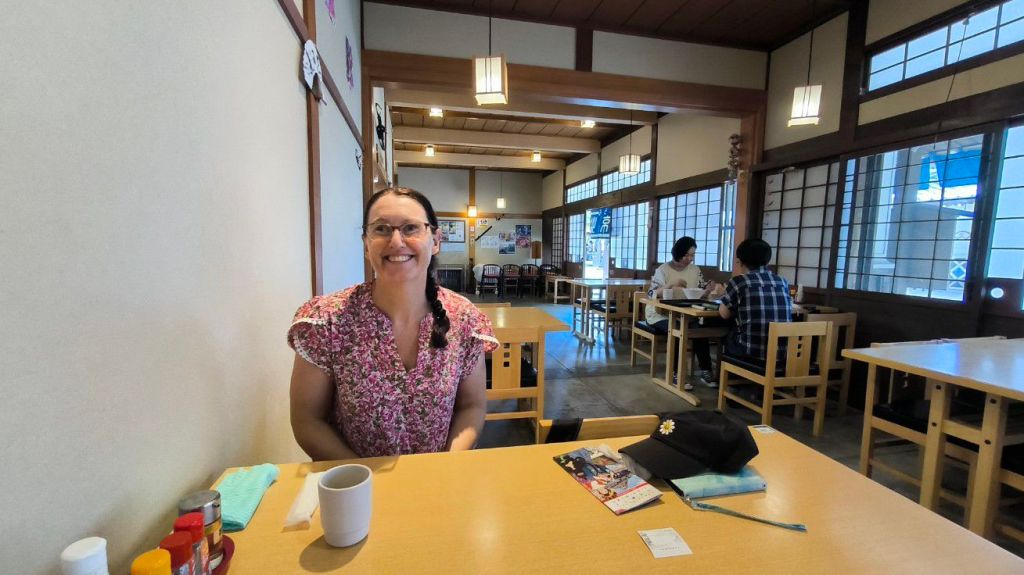
We spent a wonderful afternoon wandering around, exploring the recreated streets and buildings, watching the various exhibits and performances, and generally soaking up the atmosphere. After several days of rain, cycling and worrying about keeping everything dry, it was nice to spend an afternoon simply wandering around somewhere and enjoying ourselves.









Eventually we headed back to camp, ready for what was waiting for us the following day: around 60 kilometres from Noboribetsu to Lake Toya, including our first proper mountain climbs. Sam was already a little apprehensive, and we were about to find out whether all that training had actually been enough.
Only one way to find out.
Time to climb a bloody mountain.


Leave a Reply